Posted: Thursday, January 15, 2026
⏱ 10 minutes to read
Author: Steve Atkinson, Principal Broker | Licensed in UT, ID
In an era where technology is reshaping industries at an unprecedented pace, artificial intelligence (AI) stands out as a transformative force in real estate, particularly for agricultural and recreational properties. As a managing broker with 15 years of experience in farm, ranch, and recreational land markets, I am witnessing firsthand how AI is evolving from a novelty to an essential tool for informed decision-making. Yet, for many in our field, especially those accustomed to traditional methods, AI remains somewhat enigmatic, often conflated with simple search engines like Google.
To clarify, AI is fundamentally distinct from conventional search tools. While Google retrieves existing information based on keywords, delivering a list of links for users to interpret, AI employs advanced algorithms, machine learning, and data synthesis to process vast datasets, identify patterns, and generate actionable conclusions. In the context of land valuation, AI can integrate factors such as soil quality, water rights, zoning regulations, market trends, and even environmental projections to provide precise, customized insights. This capability not only accelerates analysis but also uncovers correlations that human review might overlook, such as how climate data influences long-term property value.
This synthesis of data is particularly revolutionary for ranch and recreational properties, where variables like wildlife habitats, irrigation efficiency, and proximity to urban centers play critical roles. Unlike static searches, AI's predictive analytics can forecast appreciation or risks, enabling stakeholders to make strategic investments. However, as we explore AI's potential, it is crucial to approach it with a balanced perspective, recognizing both its strengths and limitations, especially in niche markets where data scarcity demands expert oversight from professionals familiar with these unique assets.
From Hype to Practical Application
The buzz surrounding AI in real estate is well-founded, with projections indicating that AI-driven tools could reduce property valuation times by up to 90% and enhance accuracy through bias-free analysis. For our niche of lands, AI excels in several key areas, synthesizing complex data to deliver insights that go beyond what traditional methods offer.
First, AI-powered valuation models can analyze historical sales, comparable properties, government soil data, and economic indicators. These systems incorporate geospatial data, such as satellite imagery for assessing land topography and vegetation indices, to evaluate agricultural productivity or recreational appeal. For instance, AI could potentially detect soil composition variations or drainage patterns that impact grazing potential, providing a more nuanced appraisal than manual surveys. However, partnering with a niche specialist ensures these insights align with local market realities.
Second, AI facilitates the identification of opportunities and landowner details. By processing public records, tax data, and ownership histories, AI tools can pinpoint motivated sellers, such as those with long-term holdings, out-of-state owners, or delinquencies, streamlining acquisition strategies. In recreational properties, AI might analyze wildlife migration patterns via integrated sensor data or trail camera feeds to quantify hunting or ecotourism value, adding a layer of insight for investors, who can then consult experts to validate and refine these findings.
Third, AI's research capabilities are vast. Generational owners might simplify daunting tasks their family hasn't had to consider, such as comprehensive summaries with the latest tax implications, inheritance laws, deduction strategies, or legal entity advice to help them accomplish their goals. AI applications will help discover, draft, and distill thoughts across multiple professions into cohesive objectives to discuss with advisors.
Moreover, AI's ability to draw conclusions from disparate data sources, such as combining zoning laws with market forecasts, enables predictive modeling. For example, it can simulate how infrastructure developments or environmental regulations might affect property values over time, helping buyers and sellers anticipate shifts—ideally in collaboration with a broker experienced in these specialized properties to ground predictions in a practical context.
In practice, these tools democratize access to sophisticated analysis, allowing even small-scale investors to compete with larger entities. However, the true value lies in AI's synthesis: not just aggregating data, but interpreting it to reveal opportunities, like identifying undervalued recreational land with untapped ecotourism potential based on social media sentiment and location data. Working with a professional in this niche ensures these revelations translate into viable strategies.
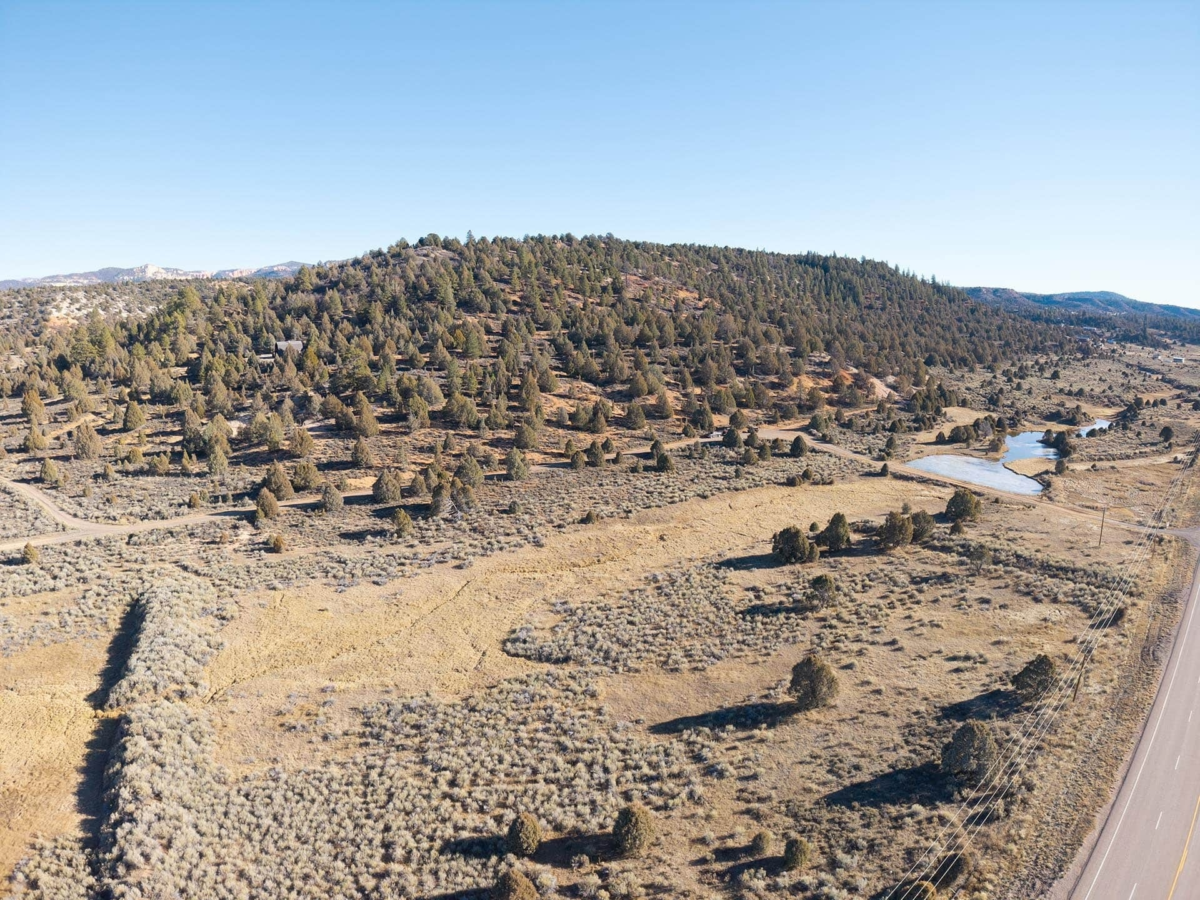
An Illustrative Example: AI in Action on a Utah Ranch
To demonstrate AI's practical impact, consider a hypothetical scenario inspired by real-world trends in the Utah market—a region I know well as a licensed broker. John Loveland, a retiring rancher, owns a 500-acre ranch that blends agricultural and recreational uses. His children opt not to inherit, prompting him to sell. Enter Sarah, an investor seeking a diversified asset with grazing and hunting potential.
John's agent employs AI-driven mapping and analysis tools to compile a comprehensive profile. The system overlays satellite imagery with soil data, revealing fertile loamy terrain suitable for sustainable cattle operations. Wells, water tables, aquifers, irrigation practices, and drought data are compiled, factoring in Utah's arid climate and regulatory constraints. Fish and game data are added in. Market synthesis compares recent sales of similar ranches, adjusting for trends like rising demand for recreational escapes near urban areas. This data justifies a $2.5 million listing price, complete with projected ROI reports that highlight potential financing efficiencies.
Sarah, on the buyer side, uses AI to cross-verify all of the comprehensive data compiled by the Seller. The tools cross-check and assess development potential, confirming zoning allows for a hunting lodge expansion while evaluating environmental risks like water scarcity. Predictive analytics model future value, incorporating factors such as nearby infrastructure growth and wildlife habitat quality derived from vegetation indices. Her team identifies financing options, reducing hurdles. The result? A streamlined negotiation, closing in weeks rather than months, with both parties confident in the valuation.
This example, drawn from observed industry applications, illustrates how AI synthesizes disparate data—public records, geospatial insights, and market forecasts—to facilitate transparent, efficient transactions. It underscores AI's role not as a replacement for expertise, but as an enhancer for brokers like myself, who bring the necessary human insight to these complex, unique deals.
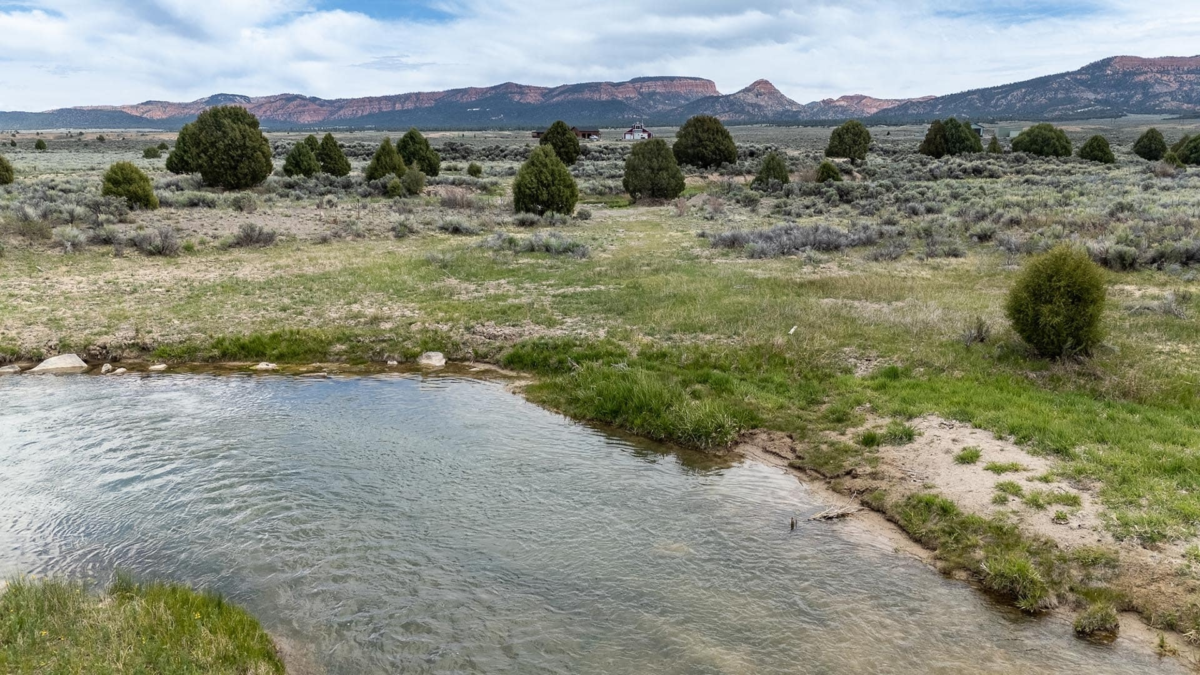
Addressing Concerns and Limitations of AI
While AI offers remarkable advantages, it is not without limitations, and a cautious approach is essential to avoid over-reliance. Many AI tools in real estate are still in developmental or "beta" phases, meaning they may produce incomplete or inaccurate results. A notable concern is "hallucinations," where AI generates plausible but fabricated information, such as erroneous property details or inflated valuations, due to gaps in training data. For instance, an AI valuation might overlook local nuances like easement disputes or cultural heritage restrictions on recreational land.
Data accuracy is another hurdle; AI draws from public sources that can be outdated or incomplete, potentially leading to skewed assessments of soil quality or water rights. Privacy and security risks also loom large, as tools processing sensitive landowner data could be vulnerable to breaches, exposing personal information or proprietary strategies. In the context of landowner identification, ethical considerations arise, including compliance with data protection laws like GDPR or CCPA equivalents.
Valuations for ranch and recreational properties are particularly tricky, especially in non-disclosure states where sales prices are private. Even advanced AI struggles to access or "clean" data from confidential transactions, relying instead on limited public records. This can lead to incomplete valuations, so readers should not assume AI can simply "tell" them what their property is worth—it's a starting point, not a definitive answer, and best interpreted by a specialist in these markets.
Furthermore, the niche nature of these properties demands specialized human expertise. Unlike metropolitan homes with abundant comparable data, ranch and recreational lands are often unique, with rare features like wildlife corridors or mineral rights that defy easy quantification. Valuations require multi-angle analysis, considering agricultural yield, recreational amenities, and environmental factors, where nothing similar may have sold recently. AI provides insights, but it still needs the "human touch" from professionals who understand local markets, regulations, and nuances. Always consult a specialist to interpret AI outputs and ensure comprehensive due diligence, as these experts can bridge the gaps where AI falls short.
To mitigate these, always conduct personal due diligence: cross-reference AI outputs with official records, consult local experts, and verify assumptions through on-site inspections. For ranch properties, this might mean physically assessing water sources or soil samples rather than solely trusting AI models. Best practices include starting with small-scale tests, using multiple AI sources for triangulation, and maintaining human oversight for final decisions. By acknowledging these limitations, users can harness AI's power responsibly, ensuring it complements rather than supplants professional judgment—particularly in collaboration with niche real estate specialists.
How to Get Started with AI in Land Valuation
For those new to AI, particularly our older demographic who may view it as intimidating, getting started is more accessible than it seems. Begin by understanding the spectrum of AI tools: Large language models (LLMs) like ChatGPT excel at conversational tasks, such as drafting property descriptions, brainstorming investment strategies, or sifting through large PDFs, but specialized AI platforms can focus on data-intensive functions like valuation and analysis.
An easy entry point is gathering your usual information, such as property deeds, soil reports, zoning documents, or market comps, from trusted sources like county records or USDA databases. Upload scanned PDFs or data files into tools like ChatGPT, which can now read and analyze them. This provides a second viewpoint, highlighting perspectives you might miss, such as correlations between soil data and small water rights information you may have missed. For niche properties involving multiple municipalities, AI sifts through data quickly, speeding up your process and making you more knowledgeable for verification steps.
Maybe start with free LLM interfaces like ChatGPT. Effective prompting is key: Be specific (e.g., "Analyze this soil report PDF for a 500-acre Utah ranch, including fertility and drainage potential"), provide context, and iterate on responses. Best practices include verifying outputs against credible sources, avoiding sensitive data input to protect privacy, and combining AI with expert consultation. Things to avoid: over-trusting unverified results, using AI for legal advice, or ignoring ethical implications like data bias.
Given the rapid development of AI, consider using general tools like LLMs to analyze your data directly, or shop for specialized software if you have a specific use case, such as wildlife tracking or irrigation modeling. Resources like industry webinars or forums on X (formerly Twitter) can provide user experiences. With practice, AI becomes a reliable ally, empowering even novices to navigate complex valuations—best when paired with guidance from a seasoned professional in the field.
As AI continues to mature, its role in revolutionizing ranch and recreational property investments cannot be overstated. By synthesizing vast data into actionable insights, AI enhances accuracy, efficiency, and opportunity identification, from soil assessments to market forecasts. Yet, as we've explored, success lies in balanced adoption—leveraging its strengths while mitigating limitations through due diligence and expert guidance, especially for unique niche properties where professional insight is indispensable.
The future of land investing will blend human expertise with AI's analytical prowess, fostering more transparent and sustainable markets.