Posted: Thursday, January 29, 2026
⏱ 8 minutes to read
Author: Julianna Eriksen, Broker Associate | Licensed in AZ
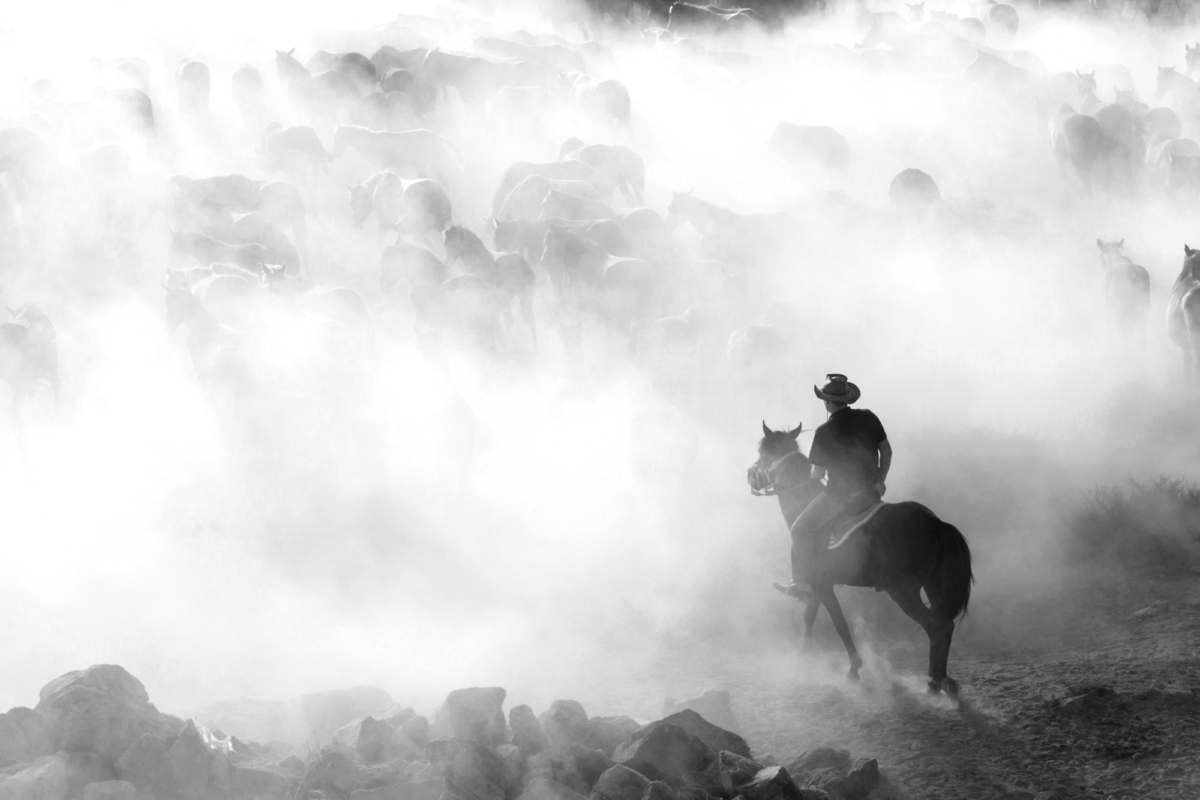
The dust rises in a golden cloud, the scent of horse and leather hanging heavy in the air. A single horse and rider move with an almost telepathic connection, separating a bewildered steer from the herd with effortless precision. This isn't just a spectacle; it's a dance as old as Arizona itself, a testament to the state's deep roots in ranching and the enduring spirit of cutting horsemanship.
Arizona's sprawling, often rugged landscape has been synonymous with cattle ranching for centuries, a legacy beginning with Spanish settlers introducing livestock as early as the late 1600s. From iconic spreads like the historic Babbitt Ranches, spanning over 700,000 acres in northern Arizona, to the vast Diamond A Ranch and the storied Empire Ranch, Arizona's cattle operations necessitated a unique blend of horsemanship and practicality.
On these expansive, often unforgiving ranges, cowboys relied heavily on horses with exceptional "cow sense"—an innate ability to instinctively separate and control individual cattle from a herd. This crucial daily task, whether for branding, doctoring, or sorting for market, was the very genesis of cutting horsemanship. It was on these working ranches, forged by the demands of the Arizona desert and the needs of a thriving cattle industry, that the fundamental skills of cutting were honed, transforming a cowboy's essential chore into the athletic and precise sport we know today.
These days, Arizona continues to be a hub for cutting horsemanship, boasting world-renowned trainers and stables across the state. The legacy forged by pioneers like C.P. Honeycutt and carried forward by figures such as Al Dunning and Mike Wood ensures that the spirit of the cutting horse remains a vibrant and integral part of Arizona's rich equine culture.
The Figures Who Forged the Cutting World
C.P. Honeycutt: Arizona's First Hall of Famer
C.P. Honeycutt played a significant role in the world of cutting and is recognized for his contributions to the sport. He was the first inductee from Arizona into the National Cutting Horse Association (NCHA) Hall of Fame, and only the 12th nationwide. Honeycutt and his famous horses highlighted the competition during the cutting horse contest at the 1969 Maricopa Stagecoach Days event. He moved to Maricopa in 1952, where he farmed about 3,500 acres. An eight-time Arizona cutting horse champion, Honeycutt was inducted into the National Cutting Horse Hall of Fame in 1986. Honeycutt Road in Maricopa is named in his honor.
Al Dunning: A Master in Training
Al Dunning is a highly renowned and accomplished American horse trainer specializing in Western performance horses. Born on March 5, 1950, in Chicago, Illinois, he moved to Arizona with his family in 1958. Dunning has trained multiple world champions in a variety of Western disciplines, including reining, cutting, working cow horse, halter, and all-around events, known for his multi-faceted approach to training. He has owned and operated Almosta Ranch, a Quarter Horse training facility in Scottsdale, Arizona, since 1970. Dunning has deep roots in the Arizona horse community, having grown up there and learned horsemanship and roping at a young age.
Mike Wood: Arizona-Born, Nationally Recognized
Mike Wood is a highly successful professional cutting horse trainer based in Scottsdale, Arizona. He is known for training and showing aged event cutting horses, as well as working with Non-Pro and Youth clients. A native of Arizona, he grew up participating in rodeos and roping events. Mike Wood spent ten years as an assistant trainer with renowned horse trainer Al Dunning before establishing his own training business. He has achieved significant success in the cutting horse industry, including multiple NCHA World Championships in various classes (such as Open, $5,000 Novice Horse, and $25,000 Novice Horse). An NCHA Hall of Fame Rider, Mike Wood boasts over $3.9 million in lifetime earnings. He has served multiple terms as President of the Arizona Cutting Horse Association (AZCHA) and is a Director from Arizona for both the National Cutting Horse Association (NCHA) and the Pacific Coast Cutting Horse Association (PCCHA).
Forging Ahead: The Women at the Reins
Arizona is a thriving hub for horse cutting enthusiasts, hosting a robust calendar of shows throughout the year. Organizations like the Arizona Cutting Horse Association (AZCHA), the Northern Arizona Cutting Horse Association (NACHA), and the Cave Creek Cutting Horse Association (CCCHA) contribute to a vibrant scene, offering numerous opportunities for riders and spectators. The AZCHA, for instance, typically organizes seven multi-day events between October and May, often at the impressive Horseshoe Park and Equestrian Center, with popular shows such as "Jump Start Your Year," "Sun Circuit," and "May Madness." Complementing this, NACHA's season generally spans from April through September/October, while CCCHA adds to the schedule with shows in various months, including January, February, April, October, and November. With multiple associations providing a steady stream of competitions, Arizona consistently offers well over a dozen distinct cutting horse show events annually, making it a prime destination for the sport.
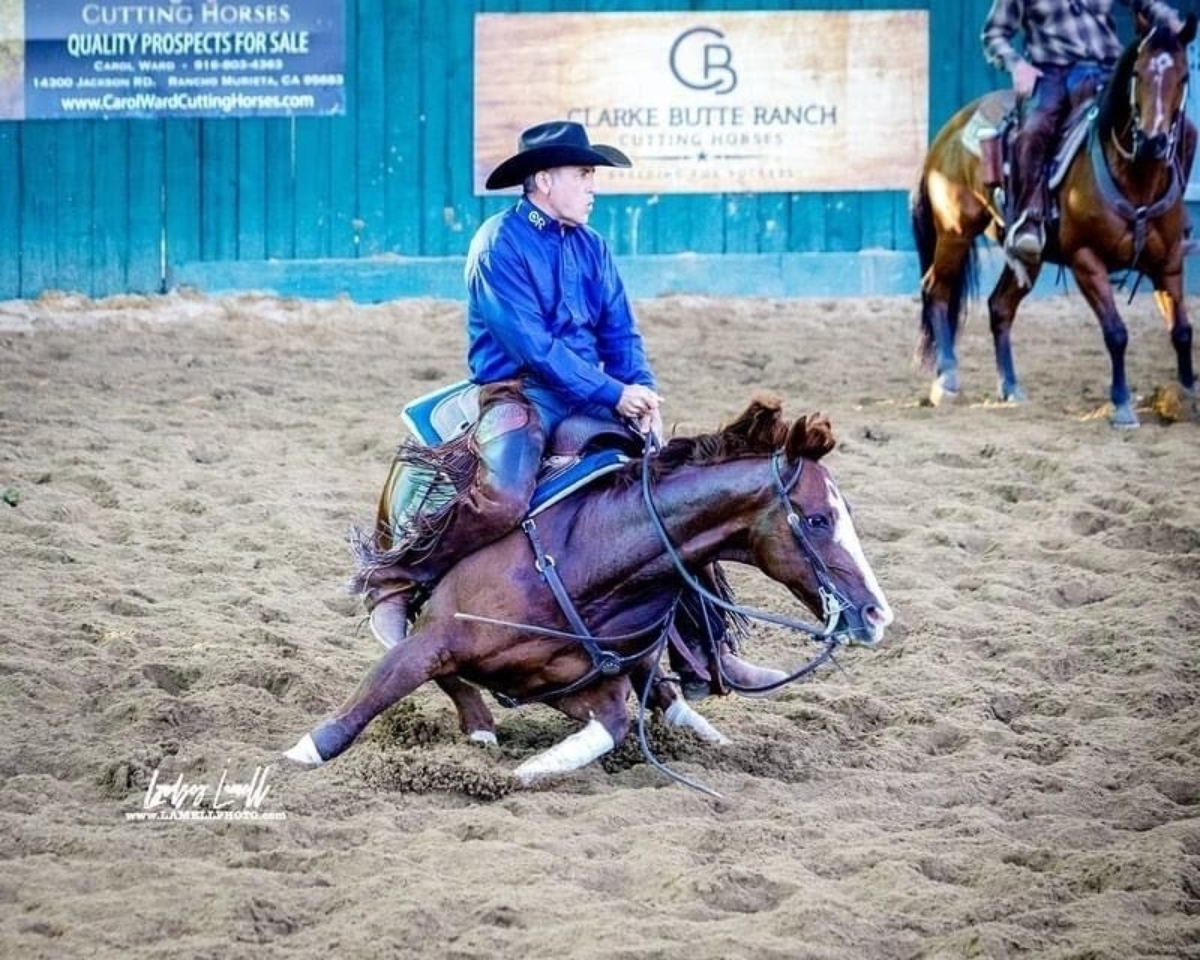
While cutting horsemanship is steeped in the traditions of the Old West, today's arena showcases a new generation of skilled competitors, among them a rising tide of talented women. Breaking traditional molds, these cowgirls demonstrate that "cow sense" and precision know no gender. With grace, grit, and an unparalleled partnership with their horses, they are not only excelling in this demanding sport but are actively shaping its future, proving that the cutting edge of horsemanship is as vibrant and inclusive as ever.
The world of cutting horse shows in Arizona is notably enriched by the significant presence and achievements of women, who actively contribute as riders, trainers, and advocates for the sport. From seasoned professionals to passionate amateurs, women play a pivotal role in the vibrant cutting horse community. Beyond individual accomplishments, organizations like the Art of the Cowgirl, with its annual event in Queen Creek, specifically celebrate and uplift Western women, offering clinics in cutting and showcasing the talent of female makers and horsewomen. This fosters an environment where women not only compete at high levels but also mentor and inspire the next generation of cowgirls, ensuring their continued influence and success in Arizona's cutting horse scene.
Dawn Chapman: Titles, Trailering, and Tenacity
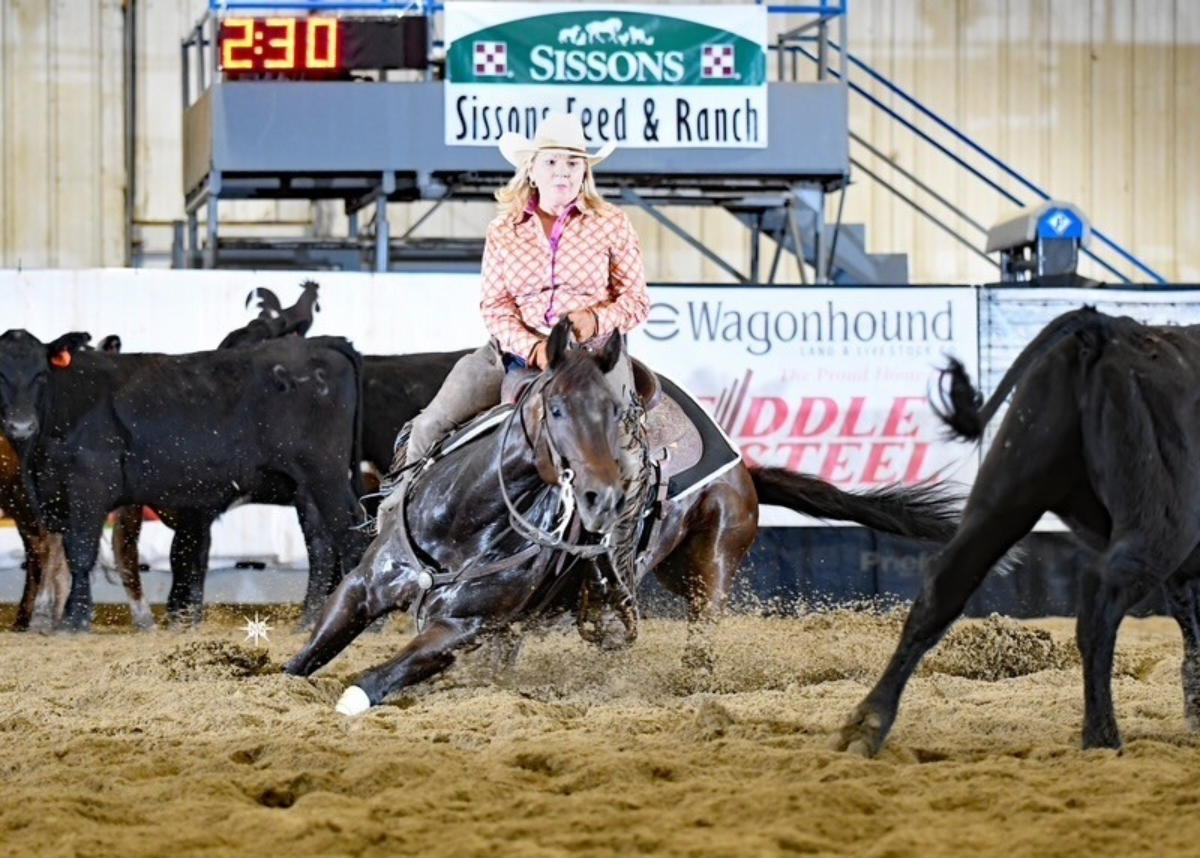
Among those leading the way are figures like Dawn Chapman, an inductee into the NCHA Hall of Fame and a proud Arizona native, who exemplify the dedication and skill that women bring to the arena, having achieved remarkable success with horses like Clays Little Kit Cat. Dawn's dedication and skill in the cutting horse arena are spectacularly evident in her vast collection of awards. With over 12 trophy saddles alone, each representing a significant win, she has truly made her mark. Beyond the impressive saddles, her home is further adorned with countless trophies and a multitude of buckles, tangible testaments to her consistent success and mastery of the sport. This remarkable assortment isn't just a display; it's a powerful visual narrative of a career defined by excellence and a testament to her enduring legacy in the cutting horse world.
Dawn Chapman's success in the cutting horse world is even more remarkable considering her ability to navigate a demanding travel schedule alongside her husband and family life. Despite the extensive commitment required to compete at an elite level, including hauling horses to various championship titles and increasing lifetime earnings, Dawn has managed to balance her passion for showing with her personal life. She has openly discussed the challenge of raising four young children while actively competing, often opting for shows over regular practice sessions. This highlights her dedication and adaptability, as she essentially learned to "show and practice riding while showing." This unique approach to her career, coupled with the support that allows her to travel, underscores the incredible dedication required to achieve NCHA Hall of Fame status while maintaining a balanced personal life.
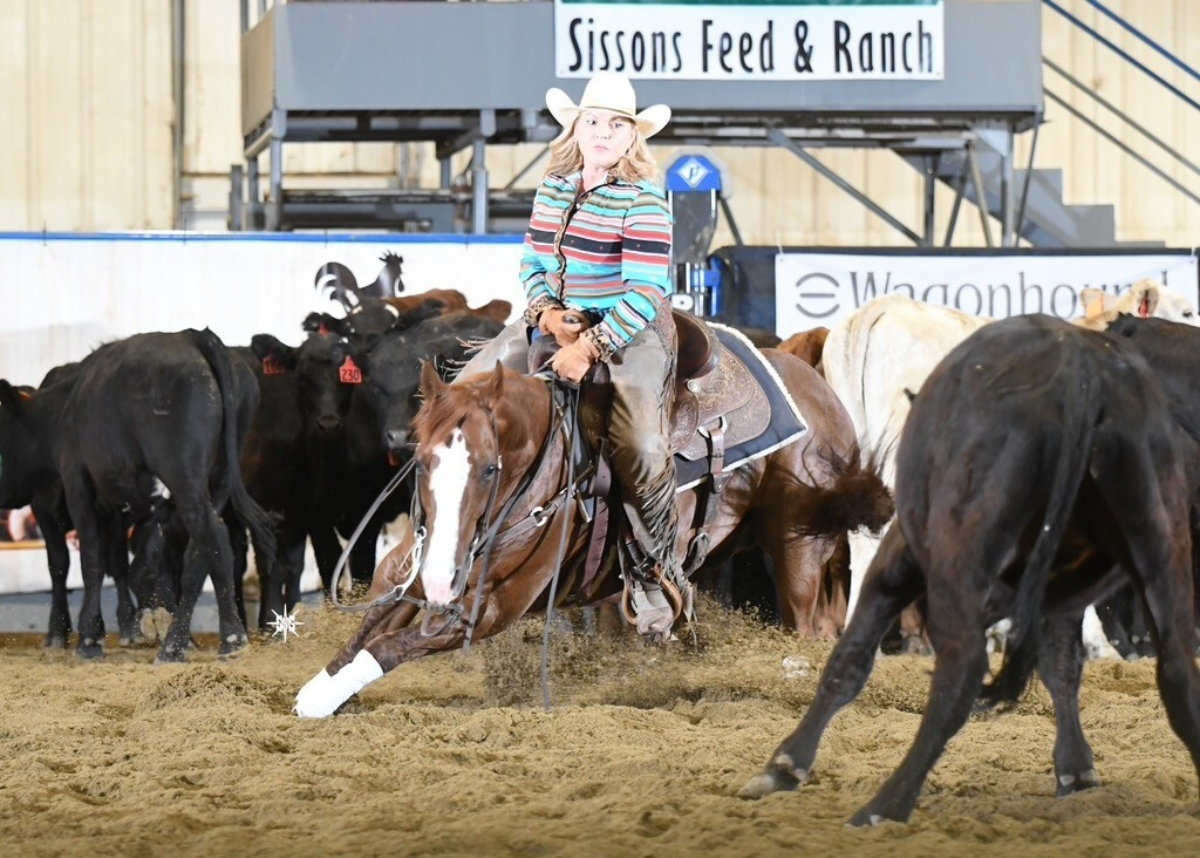
Dawn Chapman has earned numerous prestigious awards in the cutting horse world, demonstrating a highly successful career. Some of her notable achievements include:
Her success is often linked with her horses, particularly Clays Little Kit Cat, with whom she achieved significant championship titles and increased lifetime earnings. She has also had success with other horses like Look Both Reys, Little Jackson Cat, and Bad Boon Rizing.
The history of cutting horses in Arizona is a testament to the ingenuity, dedication, and passion of its people. From the dusty open ranges to the gleaming show pens, the cutting horse has been an integral part of Arizona's identity. It represents not just a sport, but a way of life – a celebration of horsemanship, a deep respect for cattle, and an unwavering commitment to the traditions of the American West. As the sun sets over the Arizona desert, the spirit of the cutting horse continues to ride on, a proud and enduring legacy in the Grand Canyon State.