Posted: Thursday, May 14, 2026
⏱ 11 minutes to read
Author: Cheryl Summer, Associate Broker | Licensed in WY, MT
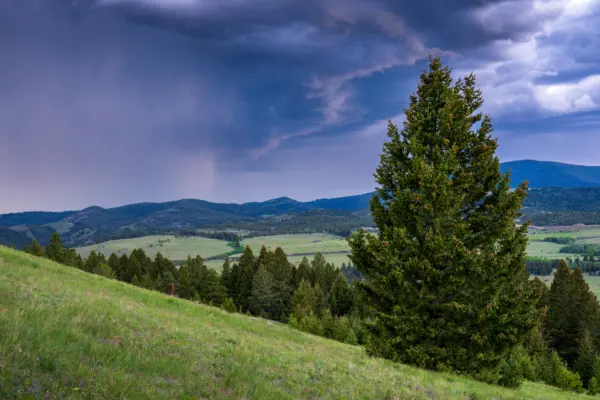
I first met Betty Falxa in 2014, during a property showing deep in Wyoming’s Bighorn Mountains–a 2,960-acre parcel I was marketing as the Yorgason Mountain Camp. She arrived alone, her husband, Martin, unable to travel due to illness. Betty seemed completely at ease—in her element, even—as she surveyed the sagebrush-covered draws and pine-dotted slopes. I wish I remembered more of our conversation that day, but one impression stayed with me–a sense, later confirmed, that Betty wasn’t just another buyer. She was a steward. Not a consumptive user of land, but someone deeply attuned to habitats, resources, and the rhythms of a disappearing way of life.
In the years since, I’ve come to see just how nuanced her plans for the property truly were. Her passion is unmistakable—and the joy and excitement in her voice when she shares stories of her latest habitat improvements or ecological observations is not only genuine, it’s infectious.
This article offers a window into Betty’s approach to what I see as very practical, applied land management. Her methods blend habitat improvements, ranch management, and wildlife stewardship, resulting in healthy, resilient landscapes that support both livestock and a rich diversity of wildlife. In doing so, Betty not only honors the Falxa family’s Basque ranching legacy in Wyoming but also helps preserve the recreational traditions that make the Bighorn Mountains so enduringly special.
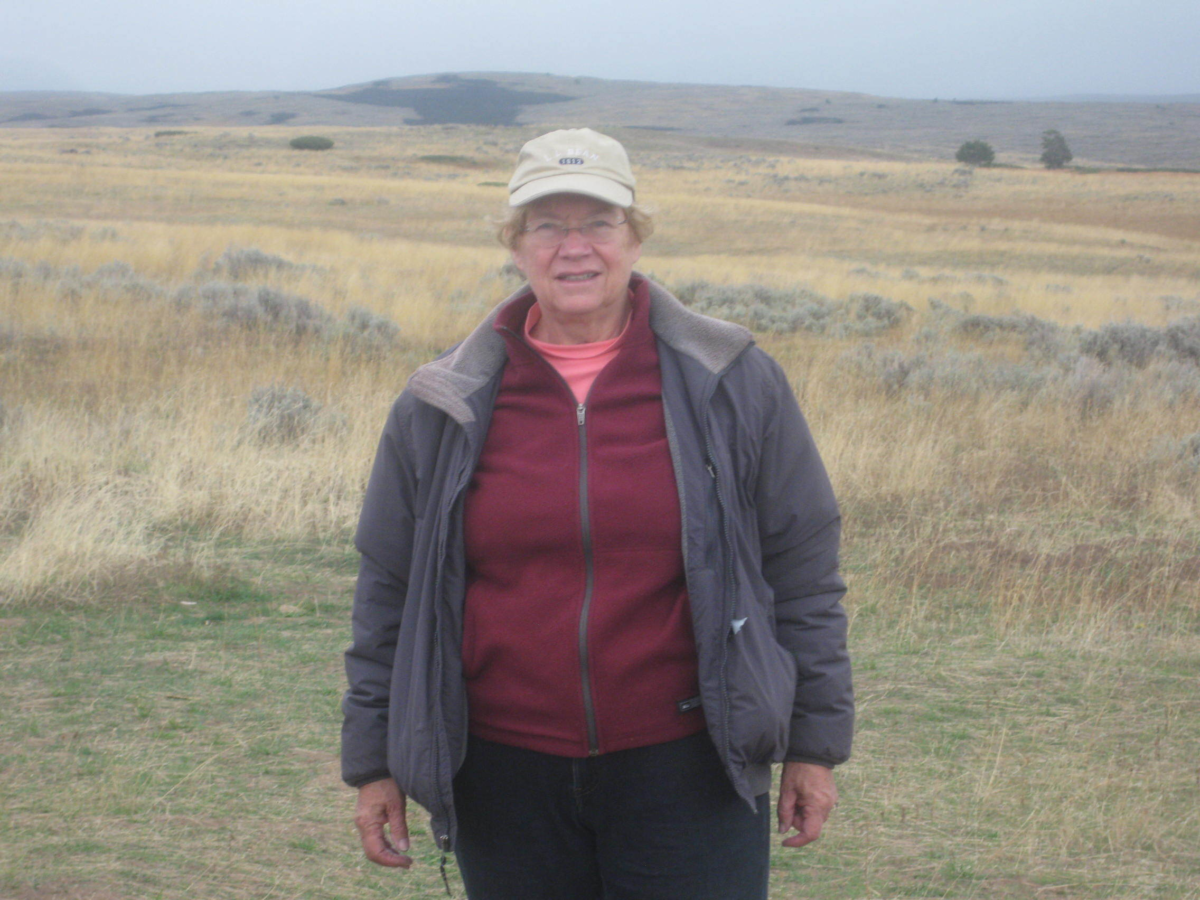
That same summer, Betty stood on a windswept ridge in Wyoming's Bighorn Mountains, surveying her new purchase: nearly 3,000 acres of rolling mountain pastures, sagebrush draws, and a deep-cut canyon. In her sixties at the time, armed with a master's degree in biology and decades of experience as a Master Teacher Naturalist with the Audubon Society in Massachusetts, Betty was no stranger to nature's lessons.
In hindsight, this remote mountain purchase may have marked the quiet beginning of what would become Betty’s most ambitious challenge—and enduring tribute. As her husband’s health declined, she took the reins of stewardship across the Falxa Ranch, both its plains and mountain ranges, and began to learn, question, network, implement, and observe. Her goals were straightforward: to improve habitat for wildlife, manage livestock grazing for the health of the range, and ensure that the way of life the Falxas knew and loved would continue.
Now, a decade later and recently widowed after the passing of her husband Martin in 2023, Betty, in her seventies, has turned the Falxa Ranch into a vibrant testament to the resilience of heart, habitat, and heritage.
Because I first connected with Betty on the mountain camp property, I want to focus on her efforts there. She has concentrated on five key improvements: creating sagebrush mosaics, implementing cross-fencing, developing water resources, updating grazing plans, and establishing thoughtful hunting practices—a transferable blueprint for stewards everywhere.
Betty's journey began with a vision. "I saw potential where others saw only utility," she recalls, her voice warm with pride. "This land has historically fed sheep and cattle, but I wanted it to do that even better. I also wanted to improve sage grouse habitat and habitat for deer and elk." The mountain camp property—a mix of open grasslands and stands of Ponderosa pine, cut by the rugged Spring Creek Canyon—was a multi-use gem: grazed for generations, hunted for elk and mule deer, logged occasionally, and cherished as a summer retreat by its previous owners. Her five key improvements reveal not just how she transformed the land—but what others might learn by doing the same.
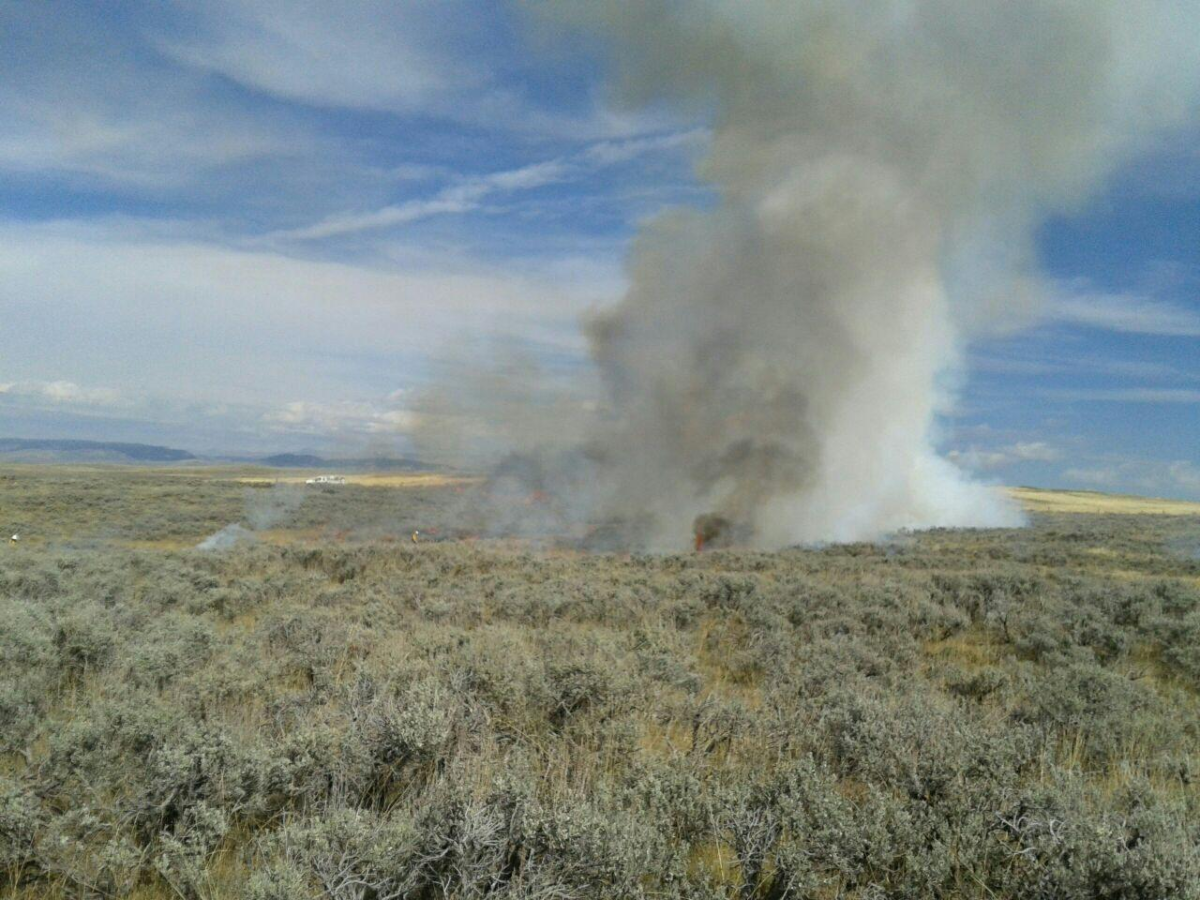
One of Betty's earliest—and boldest—moves was reviving an old Basque tradition: using controlled burns to manage sagebrush. "The Basques used to flip a match as they left the mountain," she says, reciting stories from local ranchers.
But modern burns demand precision. Betty hired a certified burn boss, a crew, and a water truck. To comply with her burn permit, she coordinated with the Bureau of Land Management (BLM) to assess grass moisture and checked weather conditions with the local National Weather Service office. Burning in carefully chosen patches across the mountain camp, they created a living mosaic of habitats.
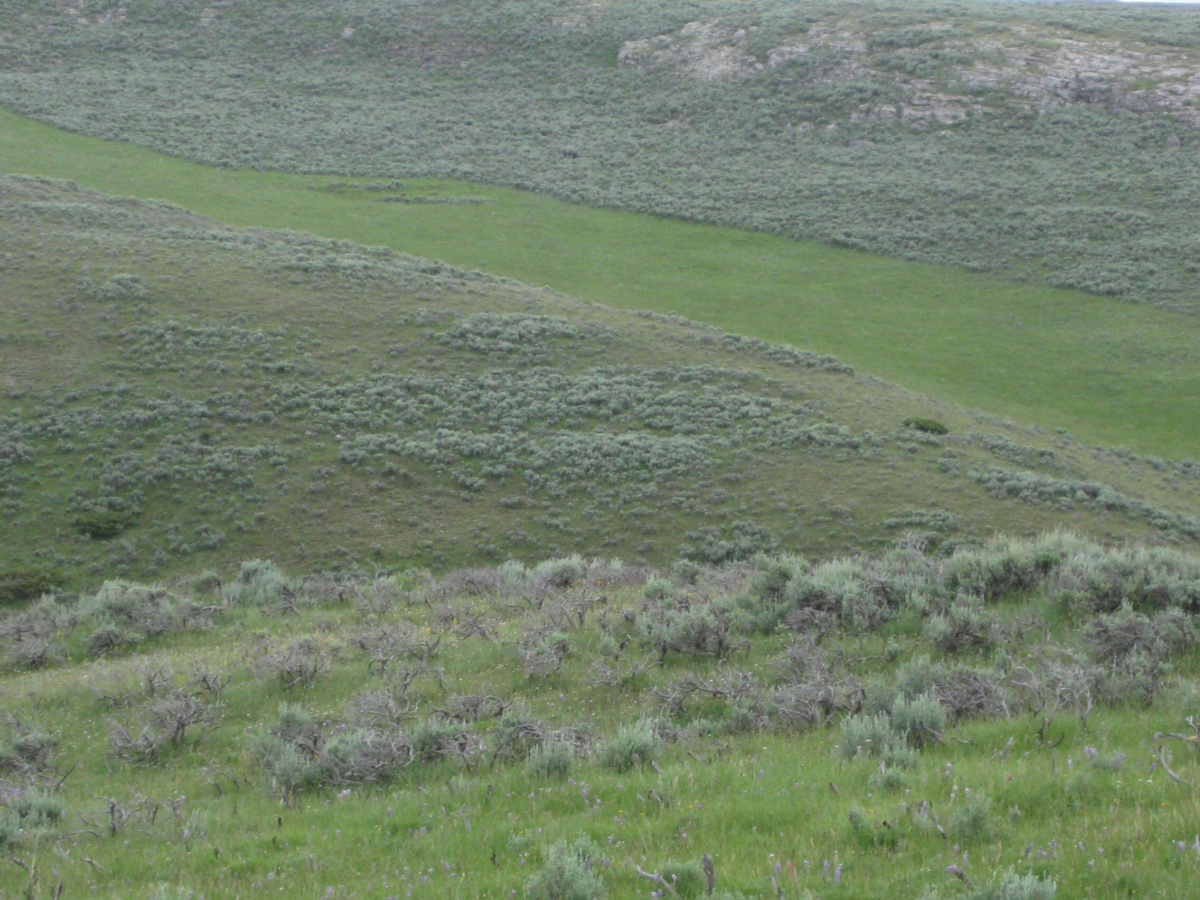
"Mosaics are magic," Betty explains. “Big Mountain Sagebrush is killed by burning—there’s no resprouting from the roots”. But fire rejuvenates the undergrowth—native perennial grasses and forbs that support a thriving ecosystem. “In the summer, sage grouse chicks feed on insects visiting the forbs. Tall grasses here and sagebrush nearby provide safe cover from predators.”
Despite its ecological benefits, burning proved a challenging tool. “Weather and winds are too iffy, and people are not flexible”, Betty notes, recalling how her hired crew wouldn’t work on the weekends despite favorable conditions. Burn permits also have strict requirements: professionally trained teams, water trucks, protective gear, and compliance with detailed safety plans.
So Betty pivoted. Convinced of the value of mosaic treatments in what she calls “decadent” stands of sagebrush, she turned to mowing—and found it to be not only cheaper, but also her preferred method.
“The mower cuts the top part of the bush and leaves the root and crown to resprout new leaves, which are more nutritious and filled with protein than the winter leaves. This is the preferred winter food source for mule deer,” she explains.
Mowing brought speed and precision. “Our mower cut 300 acres in several days and mowed along fence lines without worrying about burning the fence!” Her ongoing plan is to work a five- to seven-year management cycle, ensuring a steady supply of cover and food sources for grouse and big game.
"Fire or mowing—you’re giving the land a fresh start," she says.
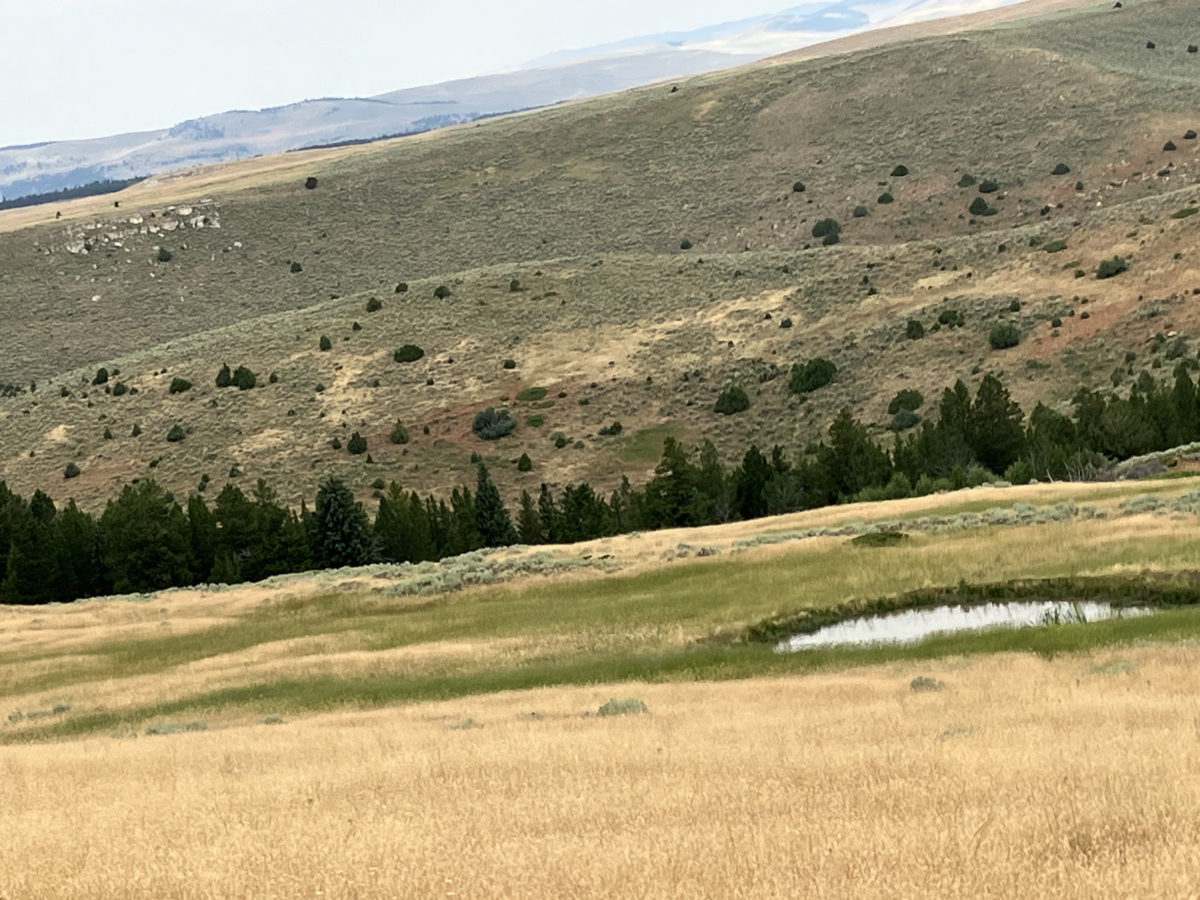
Water, Betty says, is the mountain's pulse and “each reservoir has a special place and purpose”. When she purchased the property, its twelve reservoirs were in need of attention. She partnered with local contractor Clayton Cheeney of Nowood Construction to clean and renovate them, reviving these critical water sources for wildlife and livestock alike.
One of her favorites—now known as the “elk wallow”—collects seep water from a hillside surrounded by forest. “It’s a quiet nook for many animals and gets our best photos of wildlife on our trail camera,” she says.
But Betty didn’t stop at restoring old infrastructure. She has also developed several new reservoirs, strategically placing them in key grazing areas. By following seeps along rock outcroppings, she was able to site reservoirs high on the hills—above the creek—to draw livestock “up and away from live water down below”. She placed others within the sagebrush mosaics, where lush grasses around the water attract insects and offer vital food and cover for sage grouse chicks, while also providing protection from aerial predators.
Her preferred method of water development is building spring boxes to capture seeps. These boxes first fill stock tanks, with any overflow piped to fill the reservoir. “Stock water tanks have the advantage of offering cool, clean water to livestock”, Betty explains. The tanks can be partially buried so sheep can access them, or set on the surface for cattle.
"Water is super important," she says. "If I were buying a ranch today, first thing I would do is build a spring box and pipe it to a tank," she advises.
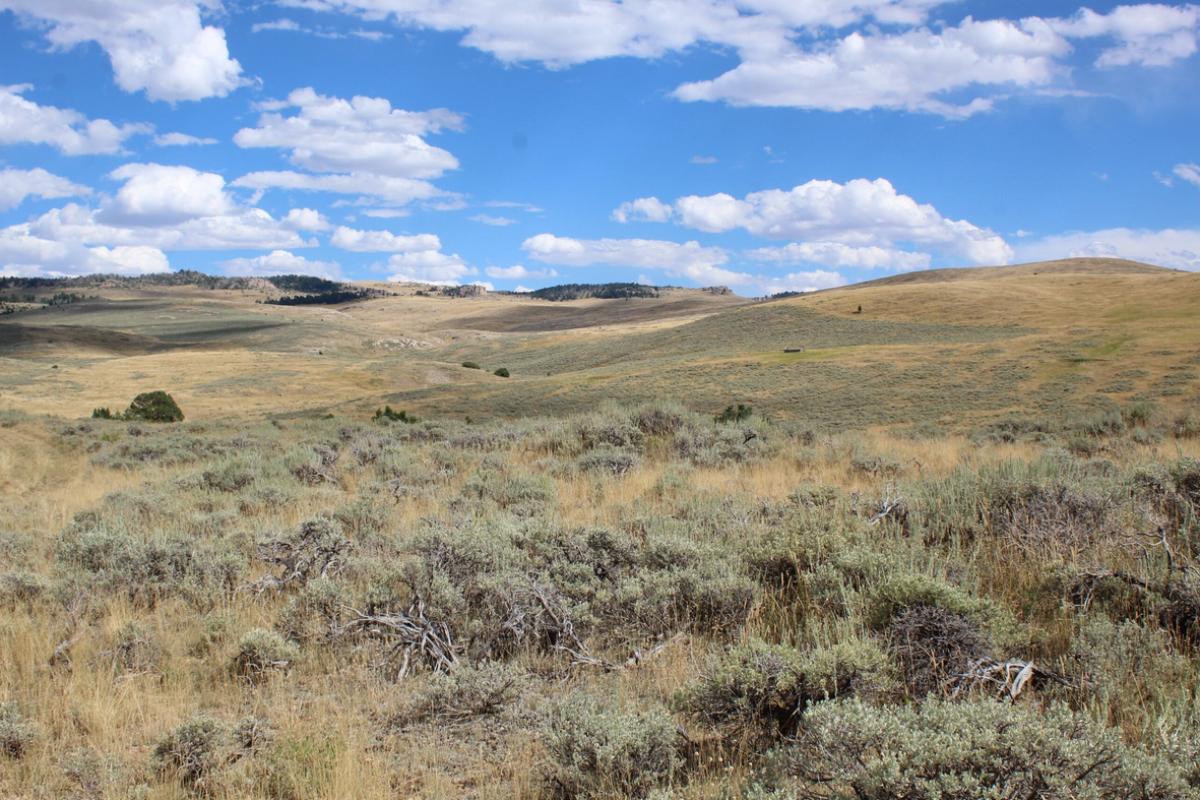
Fencing was Betty's next step to balance grazing pressure with available forage and livestock numbers. She installed interior fences to divide larger pastures into smaller ones, giving her and her grazing lessee more flexibility in managing grazing rotations. This strategic cross-fencing allows rest and recovery for vegetation, improving rangeland health over time.
Her next fencing project? Adding more gates between pastures to increase adaptability even further. More gates mean more options—especially when responding to weather, plant growth, or shifting herd needs.
Betty's grazing plan is a masterclass in timing—refined as she stepped into a more active role on the ranch and began learning about grazing management firsthand. She gained valuable insight from lessees and closely observed how the forage responded to different grazing pressures. One of her core principles? “It is important to graze each pasture in a different time period each year.” She’s developed a three-year rotation plan based on the natural phases of the annual growing season: green-up, heading-out, and curing-out.
During the green-up phase, plants are storing energy in their roots. “Rotation through the green weeks of summer should be short and intense so the plants have the rest of the summer to recover,” Betty explains.
In the heading-out phase, grasses produce seed through wind pollination. “If you graze the same pasture the same time every year, the seed bank is reduced over time.”
Finally, in the curing-out phase, seeds have dispersed, and the plants begin to dry. “Grazing cannot disturb the plants any longer, and the livestock are essentially eating hay—standing hay.”
Her rotation ensures that each pasture is grazed during a different stage of the plant’s life cycle each year. For example: “The first year starts with pasture one. Follow up the next year with pasture two, which becomes your first pasture in rotation. Then continue the pastures in order. But if you go clockwise one year and counterclockwise the next year, you might hit the middle pasture at the same time each year—watch for that”.
She also cautions against grazing the mountain too early. “Mountain grass doesn’t start its growth as early as it does on the plains. It needs time to get a start”.
Hunting is a long-standing mountain tradition, with the elk and mule deer hunt drawing sportsmen each fall. Betty crafted a plan to sustain game populations while allowing responsible hunting. "You can hunt and still have thriving wildlife," she says. Partnering with local outfitter T.J. Tavegie of Bear Track Outfitters, they limit hunter numbers and pressure, ensuring elk herds maintain quality, harvestable animals. Betty recalls riding around the property with T.J. when they came upon 75 cow elk in one of the reservoirs. “A big bull stepped out of the trees and whistled, and the cows went running!” she says with excitement. Her approach ensures that wildlife management and recreation can thrive side by side.
Betty's work hasn't been without setbacks. Severe drought and grasshopper infestations have occasionally affected the mountain camp. Trespass is an intermittent concern. Four years ago, tornadoes took down ponderosa pines on her BLM grazing permit, and spruce budworm threatened the forest. Working with the Wyoming Forestry Division, she thinned saplings to halt the caterpillars' spread—a practical fix rooted in her biology training and supported by science. "You don't need fancy tools—just watch and act," she says.
Over ten years, Betty's practical, science-driven approach has steadily transformed her place on the mountain. She has cultivated a network of valued and trusted local partners. Her trail cameras capture bobcats, mountain lions, bears, and thriving elk herds. Carefully managed livestock grazing supports local livelihoods and coexists with a rich diversity of wildlife. Her love of teaching—and her deep belief in fostering understanding and stewardship through immersive, hands-on experience—have sparked dreams of an environmental education center—complete with transects to teach kids about livestock grazing, habitat restoration, and wildlife monitoring. "I want the next generation to learn from this land," she says.
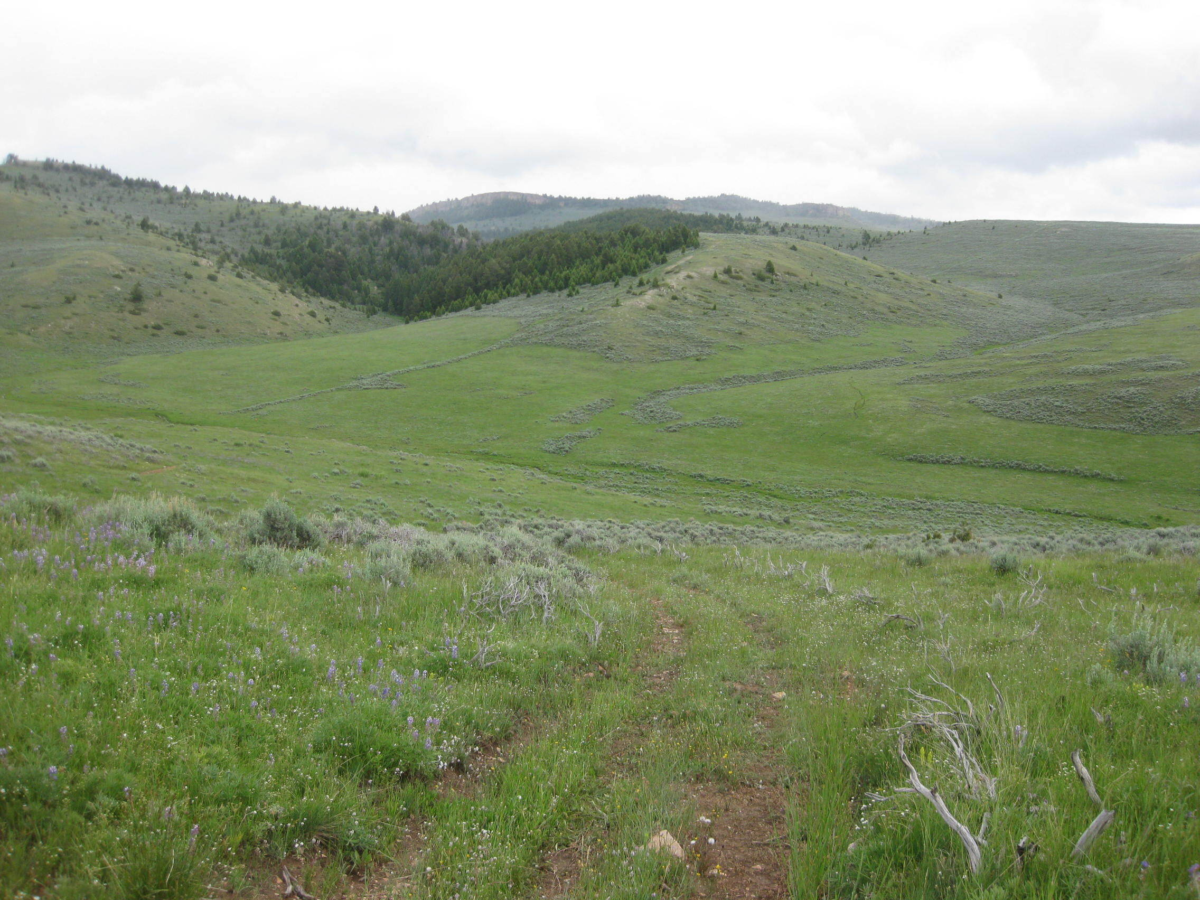
Now, in 2025, Betty is seeing the fruits of her efforts. Her legacy of thoughtful, practical stewardship is enhancing the land for both livestock and wildlife. Her efforts have not gone unnoticed—she is a recipient of the Wyoming Game & Fish Department’s Landowner of the Year Award for her work across the entire Falxa Ranch. And she’s not done. Betty has begun the process of placing a conservation easement on her land to ensure its open spaces remain protected for generations to come.
Her mountain camp hums with life—a balance of ranching and conservation, forged by a woman who embraced her husband’s family heritage with enthusiasm, curiosity, practicality, and quiet determination.
Betty's lessons are clear: create mosaics to revive habitat; fence strategically to guide grazing; develop water for all; time grazing around seasonal forage growth; and hunt with respect. "This land's my partner," she says, her voice steady with pride. "I'm leaving it better than I found it, and I hope you do the same."
For landowners, her methods offer a roadmap.
For dreamers, her story is a call to action.
And for the next generation, her mountain may one day be their classroom—still teaching, still thriving.