Posted: Thursday, February 26, 2026
⏱ 8 minutes to read
Author: John Anderson, Broker | Licensed in MT, ID
There are places that take your breath away. Glacier National Park is one of those rare sanctuaries. Tucked into the wild heart of Montana, this crown jewel of the Rockies doesn't just dazzle — it enchants. Rugged snow-capped peaks, lush green valleys, and timbered slopes create a plethora of ecosystems.
Before borders, before trails had names, before the word "Montana" was spoken aloud, this land was sacred. The Blackfeet people have called the eastern front of Glacier National Park home for centuries. They believed that the hands of the Creator formed the jagged peaks, and that the glaciers were the breath of the earth itself.
The Salish and Kootenai tribes, too, lived in harmony within these valleys and forests. They followed game, gathered huckleberries, and passed down oral traditions that made each mountain more than a landscape — each one was a living being. To them, Glacier National Park was part of their culture, and they believed the region to be a living part of their people.
As fur trappers arrived in the early 1800s, drawn by rumors of rich pelts and untouched terrain, they were humbled by the scale of the land. Stories told of a place where the snow never fully melted, where ice rested eternally in the crevices of mighty granite peaks. Those who braved the passes and river valleys did so with awe, not arrogance. They knew they were visitors, trespassing on a kind of cathedral.
By the mid-19th century, explorers and surveyors came west in greater numbers. Among them was George Bird Grinnell, a man of vision and heart. He didn't just see natural beauty; he saw something worth preserving. Grinnell fell in love with the region's jagged spires, its hidden valleys, and the deep turquoise lakes that seemed to mirror heaven itself. He lobbied tirelessly to protect the area, and in 1910, Glacier National Park was born, America's 10th national park, a sanctuary for wildness and wonder.
Imagine riding the iconic Going-to-the-Sun Road, carved daringly into the side of towering cliffs, as a golden sun rises over Logan Pass. Mountain goats trace their paths along rocky ledges, and waterfalls tumble hundreds of feet down sheer rock faces. The road, completed in 1932, is an engineering marvel. Traveling up the road provides incredible vistas and dramatic landscapes.
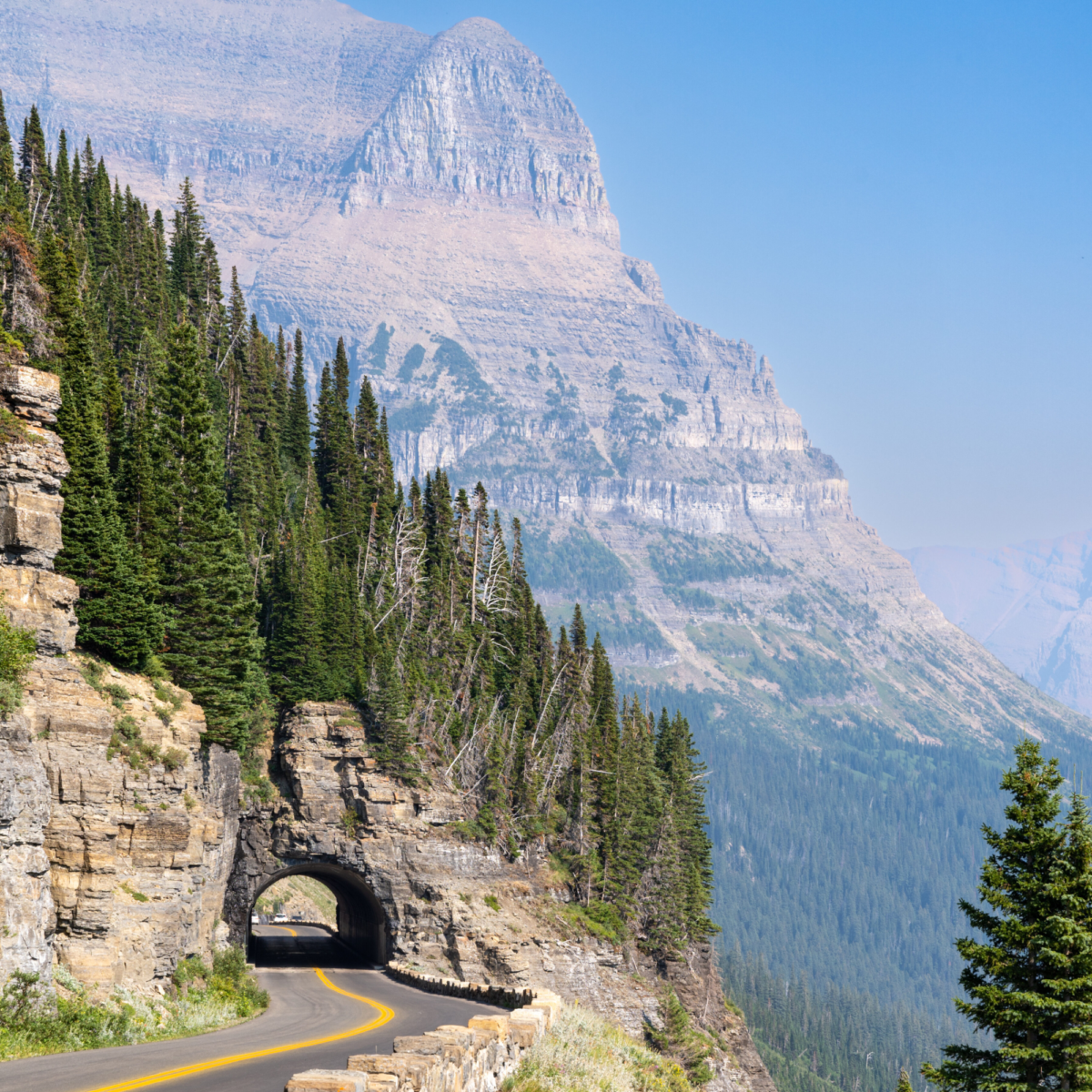
Glacier holds more than a million acres of unspoiled wilderness, home to alpine meadows, ancient forests, and more than 700 pristine lakes. Wildflowers bloom in a riot of color in springtime, and in the fall, the larch trees turn to gold like the land itself is exhaling summer's last warmth.
There are numerous glaciers in the park, fewer now than a century ago, but still clinging with quiet dignity to the high altitudes. Each one is a frozen legacy, a reminder of the park's name and its fragile heartbeat. Scientists predict that many of these glaciers will vanish within our lifetime, and yet they remain eternal for now.
The real romance of Glacier doesn't live only in facts or figures. It lives in the dramatic landscapes, moments, and memories. It's a couple holding hands at the edge of Swiftcurrent Lake, silent as the sky blushes at dusk. It's a solo traveler who stumbles upon a bull moose in a sunlit meadow and forgets how to breathe for a moment. It's the rustle of aspen leaves in the wind, the distant echo of a loon on Two Medicine Lake, the smell of pine needles after a rain. Glacier invites you to fall in love slowly, with all five senses, and once you do, the feeling holds onto you. As John Muir once said, "The mountains are calling, and I must go".
Through the decades, Glacier has stood as a symbol of endurance and love. Families return generation after generation. Poets and painters find their muse in its ever-changing light. Hikers lace up their boots each morning to walk its trails, seeking beauty and adventure. Even in winter, when much of the park falls under a blanket of snow, the romance never sleeps. Snowshoers and cross-country skiers glide through silent forests where time feels paused, and the mountains cradle the landscape like old souls.
Glacier National Park isn't just a place you visit. It's a destination that takes you back to a time when humans lived in harmony with nature. The Native Americans who wandered through this landscape knew they were only visitors and that their relationship with the region was fragile. They believed in stewardship of the land and were very careful not to overutilize the plethora of resources.
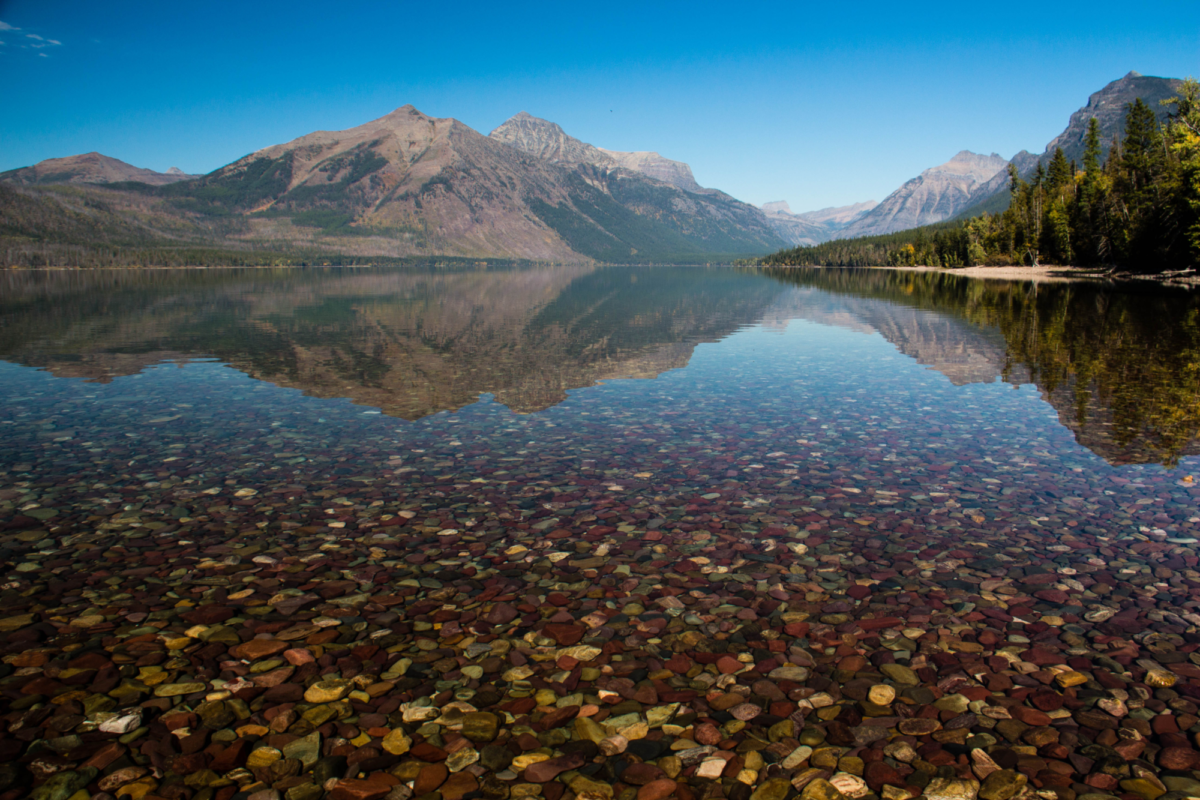
Lake McDonald is the largest and deepest lake within the confines of Glacier National Park. The lake was discovered by Duncan McDonald in 1878. Duncan stumbled upon this beautiful lake during one of his arduous journeys to the region in search of fur-bearing mammals. He inscribed his initials on a birch tree along the bank of the lake and etched his name into history. Duncan worked for the Hudson's Bay Company. During this time period, Britain, the United States, and Russia claimed the whole region. The consensus at the time was that a sovereign nation couldn't lay claim to a geographical area. The interested parties had to prove that their nation had an economic claim to the region. The Hudson's Bay Company (British) and the American Fur Company raced to establish some sort of economy in the region. Folklore is abundant regarding the heated rivalry and stories of each company trading with the Salish and Blackfeet Native Americans. The Native American Tribes were amicable at first, but when they saw more settlers invading their sacred landscape, hostilities became prominent. A big part of the dispute between the natives, settlers, and the fur trappers was the overutilization of natural resources. While the early history of Lake McDonald is marked by exploration, trade, and territorial rivalry, today the lake welcomes visitors with the comfort and charm of lodges and amenities.
Lake McDonald Lodge is nestled on the bank of the lake and provides 5-star amenities for visitors. The lodge itself was constructed in 1913 and was designed by Kirtland Cutter. The lodge was constructed using available materials that nature provided, so the foundation and ground floor were built utilizing stone. The craftsmanship has stood the test of time and has endured the harsh climate ever since. In 1987, the Lake McDonald Lodge was designated as a National Historical Landmark. The lodge has 82 guest rooms, which are split between the main lodge and several quaint cabins.
While Lake McDonald Lodge is one of the most well-known accommodations, Many Glacier Hotel, Village Inn at Apgar, Rising Sun Motor Inn, Swiftcurrent Motor Inn, Apgar Village Lodge and Cabins, Motel Lake McDonald, and the Prince of Wales Hotel, also provide excellent places to rest up within the confines of the park.
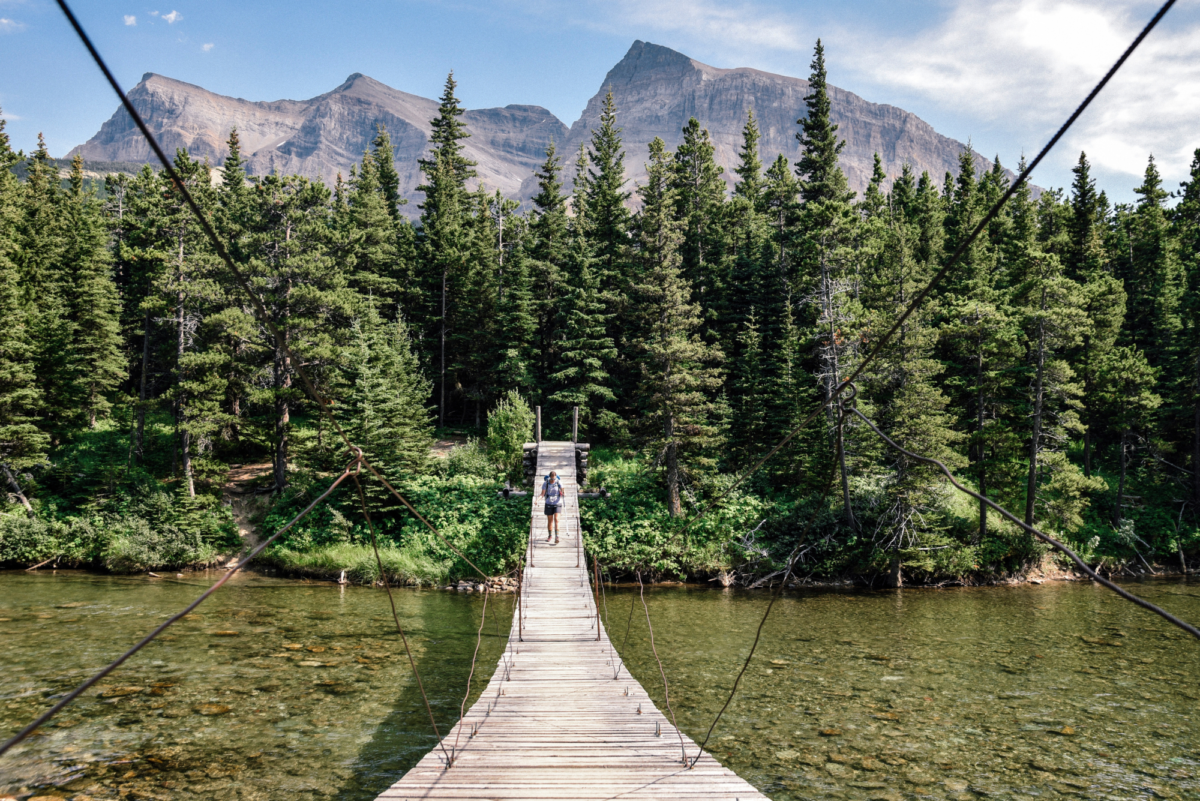
Glacier National Park has a multitude of hiking trails that meet visitors at their comfort level. A few of the trails are not for the faint of heart, but there are plenty of family-friendly trails as well. Hikers may see a variety of wildlife, including mountain goats, moose, deer, elk, wolves, black bears, and grizzly bears. It is always a good idea to remember that these animals have been protected for decades and may not be afraid of humans. The wildlife might not run away, but they are still wild in every sense. Visitors in Glacier and Yellowstone National Parks get severely injured every year. A moose with a calf is a formidable foe and should be given a wide berth. It is a good idea to stop at a local sporting goods store and purchase a can of bear spray for each hiker and have it ready to deploy at a moment's notice. If you see any bear signs, you should proceed with caution and leave the area. Park Rangers are available to help you understand the habits of the wildlife and how to handle certain interactions. Each trailhead has a large kiosk made of plywood, and that is where the ranger will post warnings, if any.
The best time to visit the park is in the fall when the crowds of tourists have dwindled. This region is known for early snowstorms and is subject to being closed due to snowfall. Visitors should take that into account during the fall. There are six ways to enter the park. The West Glacier entrance is the most popular route because of the proximity to the Kalispell International Airport, hotel accommodations, shopping, and restaurants. These amenities help prepare visitors for the adventure. The west entrance is also famous for the 50-mile journey up the scenic byway named Going-to-the-Sun Road. There are tours available for visitors who just want to enjoy the scenery. The other main entrance is located close to the town of East Glacier on the eastern side of the Rocky Mountain Front. It is called "Two Medicine." Seeing the sun rise and splash a wall of peaks staggering over 10,000 feet high is a sight that is spectacular. The other entrances are Camas Creek, Saint Mary, Many Glaciers, and Cut Bank. The major airports in the region are located in Missoula, Kalispell, and Great Falls.
People in Montana are extremely friendly, and they are always willing to give visitors tips and information.
To stand in Glacier National Park is to stand in the presence of something greater, not just in scale, but in spirit. Once you do, you will understand what the Blackfeet meant when they said this land was alive. You will also understand what Grinnell fought for, and why this park doesn't need to shout to be heard.