Posted: Thursday, April 23, 2026
⏱ 7 minutes to read
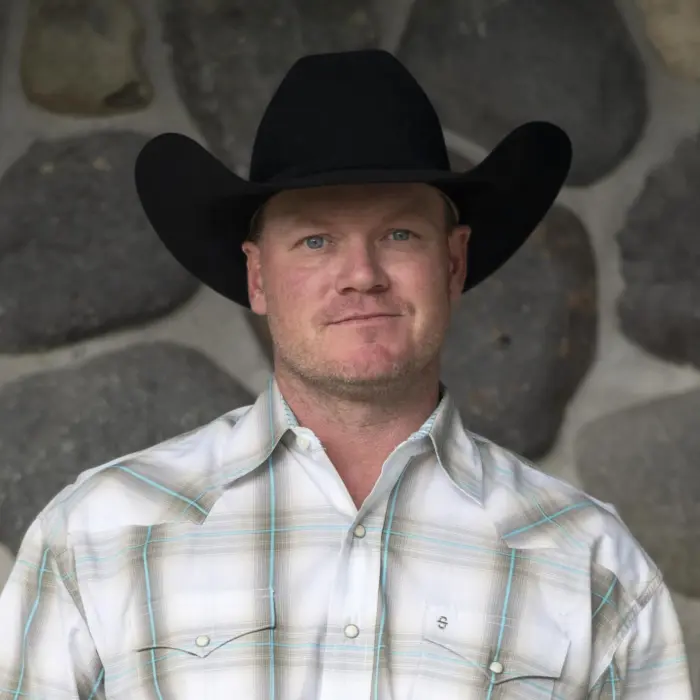
Author: RJ Patterson, Ranch Sales | Licensed in MT, ID
I was lucky enough to be born into the rodeo world. My folks say I could ride a horse before I could walk, rope in hand, not long after. Raised in Whitefish, Montana, the arena was my second home, and the roping dummy was my first teacher. My grandfather was a dedicated calf roper, the kind of cowboy who didn’t just compete; he lived the cowboy way every day. My dad followed right behind him, excelling as both a calf and team roper. Now, I’m proud to carry that torch, not just in the arena, but as a father raising two boys who are forging their own rodeo paths in junior high, high school, and open rodeos around Montana.
Rodeo isn’t just a sport in our family, it’s a lifestyle. A heritage. A language spoken through calloused hands, long hauls in dusty trucks, and early mornings under a Montana sky.
Some of my earliest memories are of those early morning practices. Summers started early around our place if I wanted to practice. My dad and I would be saddled up by 6:00 a.m., roping the dummy to warm up, then roping steers by 6:45. He had a rule: no loops thrown just for fun, each swing had a purpose. It was repetition, patience, position, swing, timing, and delivery. And at some point, maybe around 12 or 13, it clicked. My loop stopped bouncing on the ground or the steer's legs, and I started catching with consistency. That was when I realized this wasn’t just a hobby. It was who I was becoming.
I was fortunate enough to be able to travel across the western states while in High School and compete in several of the big USTRC ropings throughout the year. The more consistent I became, the better partners I could get. When I was a sophomore in High School, I was lucky enough to win several big ropings from Missoula, Montana, to Ruffus, Oregon, and got to go to my first USTRC National Finals Team Roping in Guthrie, Oklahoma. The finals did not go as well as I wanted them to, but I was able to compete at a very high level, and I knew I could hold my own.
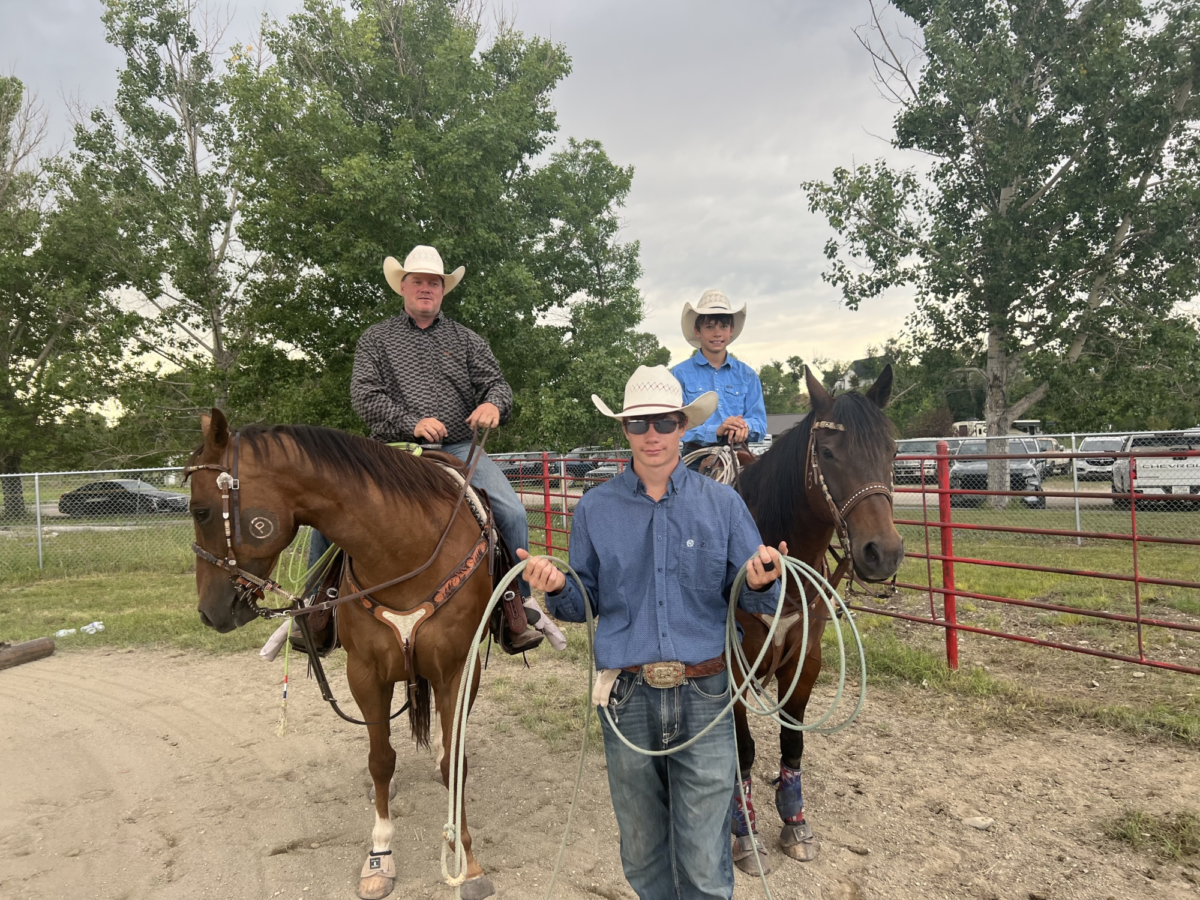
That work ethic carried me all the way to the University of Montana on a rodeo scholarship. College rodeo was a different kind of grind: classes during the day, practice in the evenings, and most weekends on the road. I’ll never forget my first college rodeo in Cody, Wyoming, my freshman year. The rodeo went great as we won 2nd in the first round, 3rd in the short round, and 2nd in the average. There was also a big open team roping jackpot that weekend, where I was able to win 3rd, and a great friend of mine won 1st and 2nd riding my amazing bay horse, Nacho. I left Cody with over $1,500 and was positive that I would never have a bad day. Throughout my college career, I met many people who have influenced my life, from coaches and teammates to other rodeo contestants from all the different schools, and I have built great relationships that remain strong to this day.
Balancing school and rodeo wasn’t easy, but it taught me discipline. I’d be up at 4:30 for workouts, in class until early afternoon, then straight to the arena. I often wrote papers in the front seat of a pickup while waiting for my draw. It was chaotic, but it shaped me.
Eventually, after years of near misses and late nights in the practice pen, I qualified for my first Montana Circuit Finals in team roping. Just getting to the rodeo was an effort; we drove through a huge blizzard for 200 miles and had to chain up the truck to get over Rogers Pass. It never got above -5 ° the entire week. I still remember leading my horse into the Four Seasons area, snow blowing everywhere, icicles in his mane, and the music playing from inside the arena. When the announcer called our names, my heart was pounding, but my hands were steady. We didn’t have any luck at the first finals, but it was one of the proudest moments of my career. Not because I won, but because I knew how hard I’d worked to get there.
Now, I live in Lewistown with my wife and our two boys, who’ve grown up the same way I did, riding before school, roping in the evenings, feeding horses before bed. My oldest started swinging a rope at four. My youngest, even earlier. I never pushed it. They just wanted it. I remember their first junior rodeo like it was yesterday. My youngest missed every steer but grinned ear to ear the whole day. A year later, my oldest won his first buckle. He came flying out of the arena, arm raised, grinning like he’d won the NFR. I teared up. Not because he won, but because he worked for it.
They’ve had their share of wipeouts, too. My youngest once got dumped while riding through the pasture barback and landed flat on his back. He jumped up, checked if anyone saw, and dusted off like nothing happened. That kind of resilience—it’s the cowboy way. And I’m proud to see it growing in them.
The rodeo community has been our backbone. From local jackpots to amateur rodeos, from hauling with neighbors to sharing advice behind the chutes, we’ve always felt supported. I’ve had mentors, guys like Kory Mytty and Mike Beers, who showed me how to ride a good horse, how to handle a bad draw, and how to carry yourself win or lose. Rodeo is as much about learning how to win as it is about learning how to deal with everything that can and often does go wrong. No one, not even the best of all time, catches every steer or calf that they run. It takes a lot of mental fortitude and great people around you to succeed in this sport. It’s a brotherhood built on mutual respect, time in the practice pen, good people, lots of smiles, and a few tears.
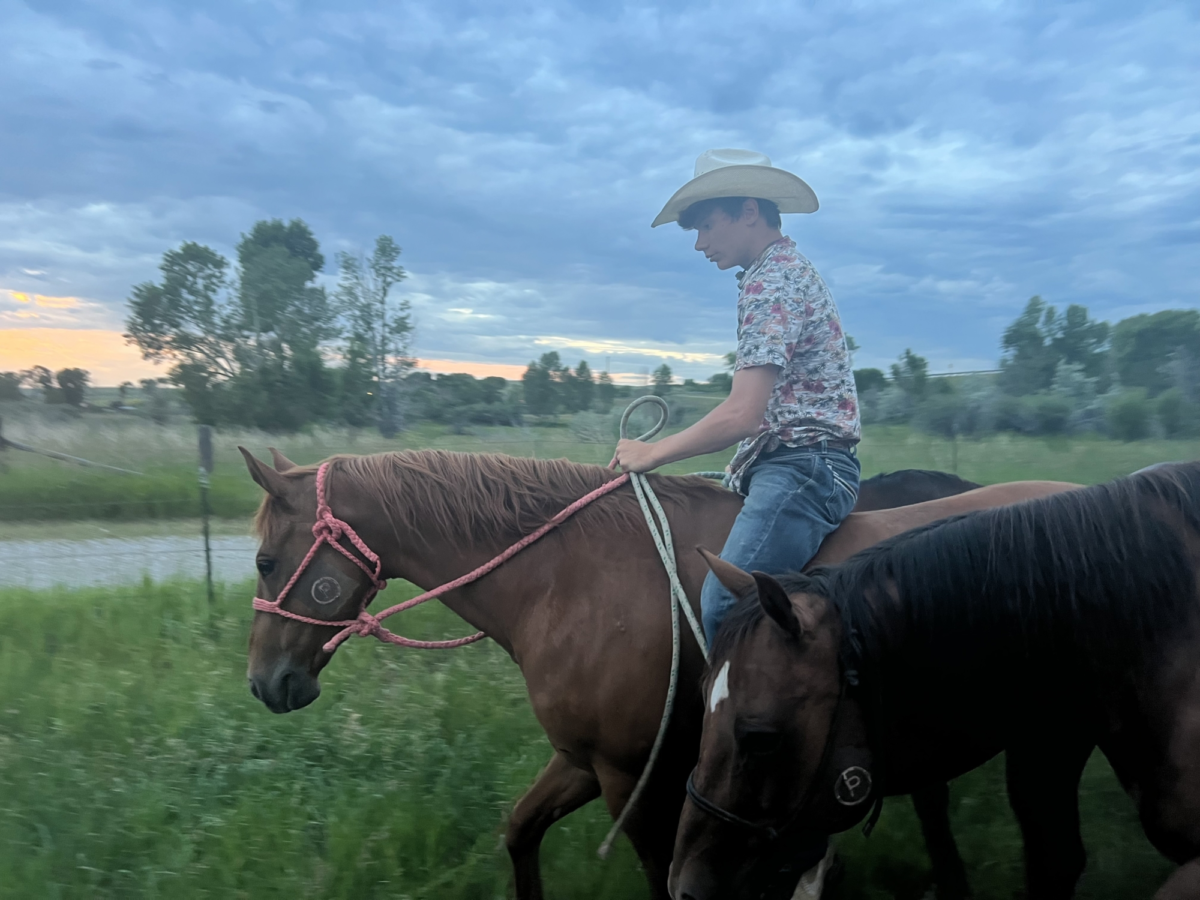
Of course, none of it works without good horses. The best horse I ever rode was a black gelding named Tigger. He was all heart, the kind that could read a steer and give you every ounce he had. I won on him from the jackpots to the rodeos and won on both ends (heading and heeling), my wife even ran him at some barrel races, and usually took home some money. My boys have their own now. My oldest rides a gritty little Sorel Gelding, Gary, and my youngest’s on a Bay we call Voodoo. Training them is as much about feel as it is about reps. It takes a lot of time and work, practicing one or two days a week just won’t cut it if you want to rise to the top; it is a sacrifice that you have to make, but one that is worth it in the end. We do all the work ourselves: hauling water, brushing, feeding the horses, steers, and calves after a long day. It teaches responsibility. They learn to earn trust with their horses, and in return, those horses carry them with heart in every run.
Rodeo has given me more than buckles, saddles, or finals appearances. It’s given me family, community, purpose, and pride. Watching my boys back into the box, rope in hand, carrying a tradition that began long before them, it’s something I’ll never take for granted. The past shaped me, the present drives me, and the future rides right beside me in the practice pen.
And I wouldn’t have it any other way.