Posted: Thursday, July 23, 2026
⏱ 7 minutes to read
Author: Troy Dana, Designated Broker | Licensed in WA, AK
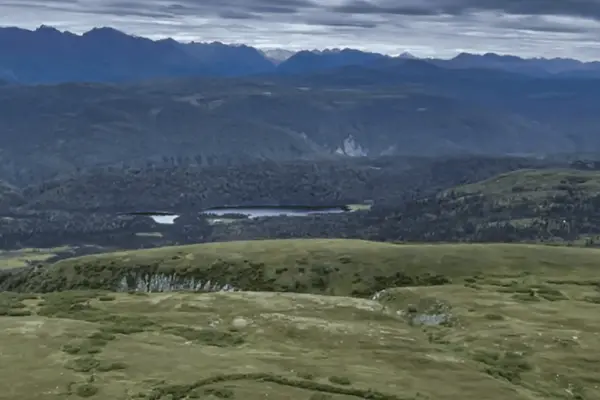
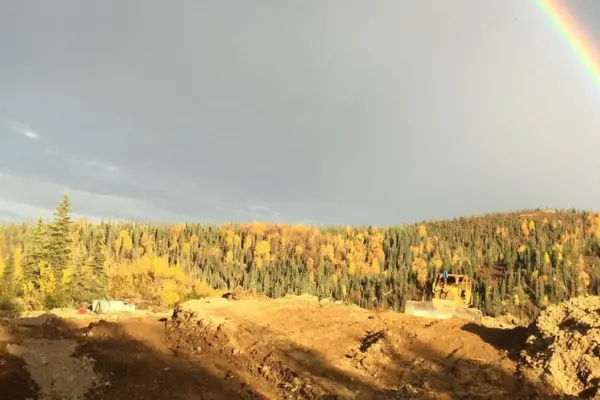
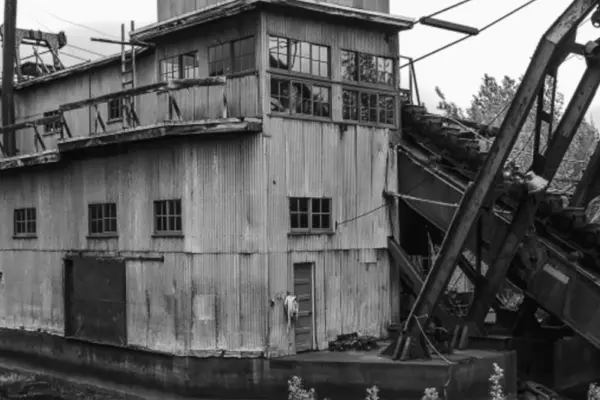
Yes, you can still wander into the Alaska wilderness, find gold, stake your claims, and take a shot at being a gold miner. The idea of striking it rich has driven prospectors to Alaska for over a century. From the famed Klondike Gold Rush of the late 1800s to modern-day mining operations, Alaska remains one of the most attractive destinations for gold prospectors. The state's vast, rugged wilderness, rich mineral deposits, and relatively open land policies make it a prime location for staking gold claims. Owning a gold claim in Alaska carries the romantic appeal of independence, self-reliance, and the chance of unearthing a fortune beneath the tundra.
While gold prices fluctuate, the opportunity to work a personal mining claim continues to attract individuals looking for adventure and potential wealth. Some gold claim owners operate small-scale mining projects as a hobby, while others establish commercial operations with hopes of yielding significant returns. However, before a prospector can begin mining, they must understand the process of legally staking and recording a claim.
Gold claims in Alaska fall into two primary categories: patented claims and unpatented claims. Understanding the differences is crucial for any prospector.
Patented Claims
A patented mining claim is a claim where the federal government has transferred ownership of the land to the claimant. Once patented, the land becomes private property, and the owner holds full rights to both the surface and the mineral resources beneath it. Patented claims are rare today, as the U.S. government largely ceased issuing new patents in 1994. Owners of patented claims can develop the land as they see fit, including building structures or selling it as private property.
Unpatented Claims
An unpatented mining claim, on the other hand, grants the claimant the right to extract minerals from the land but does not confer full ownership of the land itself. The federal government retains control of the land, and the claimant must adhere to specific regulations and land-use policies. Unpatented claims require ongoing maintenance, including an annual fee or proof of work, to remain valid.
Most modern prospectors in Alaska operate under unpatented claims, which are still available for staking under federal and state mining laws.
Researching Potential Claim Sites
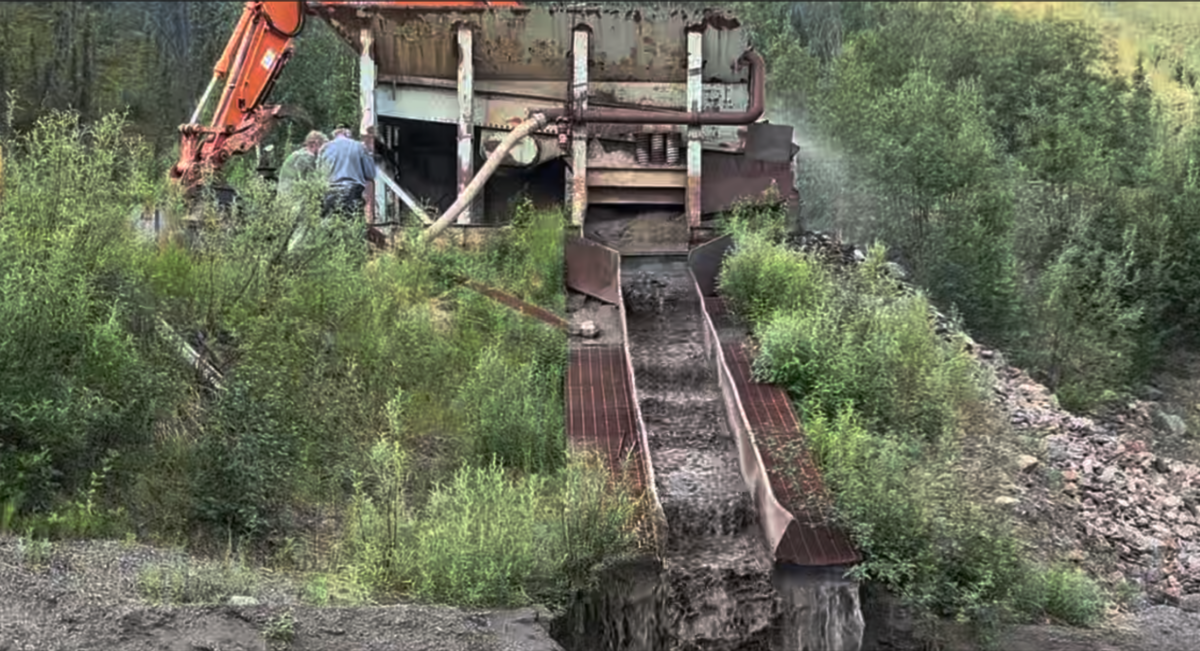
Before heading into the wilderness, prospectors should research potential claim sites to determine whether an area is open to new claims. The Bureau of Land Management (BLM) and the Alaska Department of Natural Resources (DNR) provide valuable resources, including maps and databases that show existing claims.
Key factors to consider when selecting a claim site include:
Marking the Claim Boundaries
Once a suitable location is found, the next step is to physically stake the claim. In Alaska, the staking process generally involves:
Recording the Claim
After staking the claim, prospectors must record it with both the state and federal authorities to ensure legal recognition.
1. File with the Alaska Department of Natural Resources (DNR):
2. File with the Bureau of Land Management (BLM):
Failure to properly record and maintain the claim can result in forfeiture of mining rights.
Maintaining the Claim
To keep an unpatented mining claim valid, claimants must meet annual requirements. These include:
Neglecting these obligations can result in the claim being declared abandoned and reopened for other prospectors.
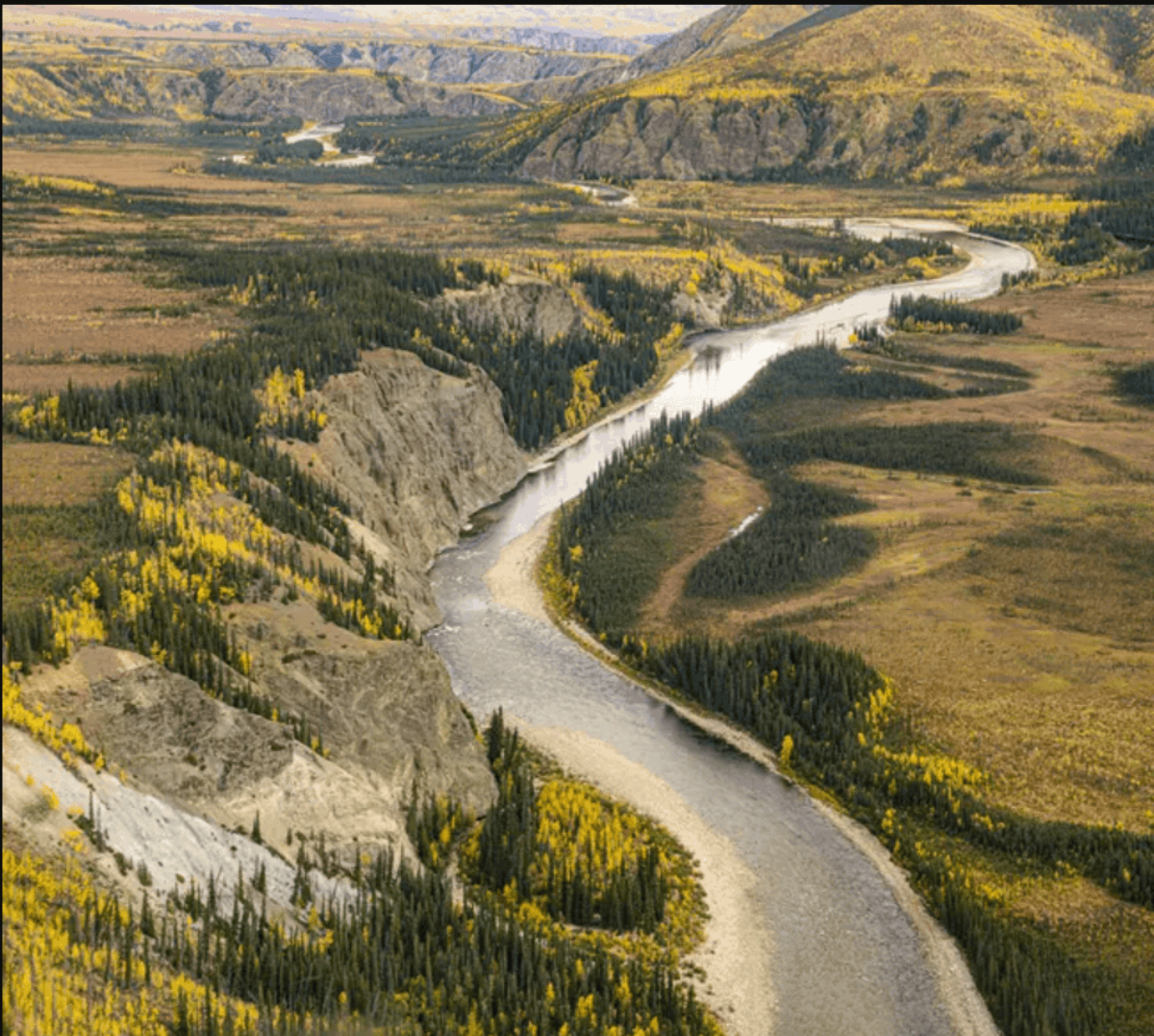
Gold mining in Alaska generally falls into two primary types: placer mining and hard rock (lode) mining. Understanding the differences between these two mining methods is crucial for prospectors seeking to establish a claim.
Placer Mining
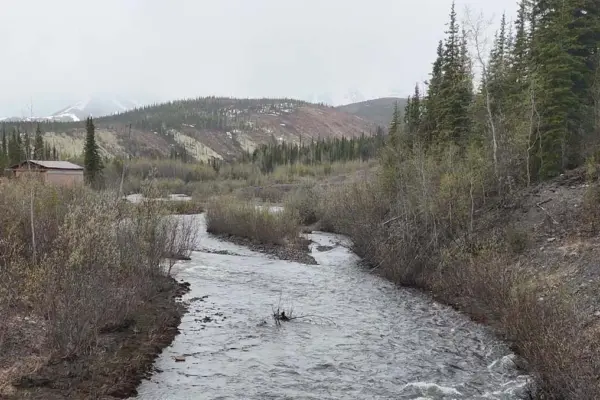
Placer mining targets gold that has been eroded from its original rock formations and deposited in rivers, streams, or sedimentary deposits. The movement of water and natural erosion processes transport gold particles, creating concentrated deposits in riverbeds, sandbars, and other alluvial environments. Placer mining methods include:
Placer mining is often considered less invasive than hard rock mining, as it primarily involves surface-level excavation. It is a preferred method for small-scale prospectors due to its relatively low startup costs and minimal environmental impact.
Hard Rock (Lode) Mining
Hard rock mining, or lode mining, targets gold embedded in solid rock formations. Unlike placer mining, which extracts gold from loose sediments, hard rock mining requires breaking apart ore-bearing rock and extracting gold from the host material. This process involves:
Hard rock mining is a more complex and capital-intensive process than placer mining. It often requires significant infrastructure, including tunnels, shafts, processing plants, and specialized equipment. While hard rock mines tend to yield higher concentrations of gold, they also come with greater regulatory and environmental responsibilities.
Owning a gold claim in Alaska comes with both opportunities and challenges. Some of the key benefits include:
However, there are also risks to consider:
Finding and recording gold claims in Alaska is a rewarding but challenging endeavor. The process requires thorough research, careful adherence to the staking and recording laws, and diligent claim maintenance. Whether a prospector seeks the thrill of a personal mining adventure or hopes to develop a commercial operation, owning a gold claim offers a unique opportunity to tap into Alaska’s rich mining history and natural wealth.
For those willing to put in the effort, staking a claim in Alaska could be the first step toward uncovering the next great gold discovery.