Posted: Thursday, March 12, 2026
⏱ 7 minutes to read
Author: Bridget Bullinger, Designated Broker | Licensed in ND, MT | Fay Land Sales
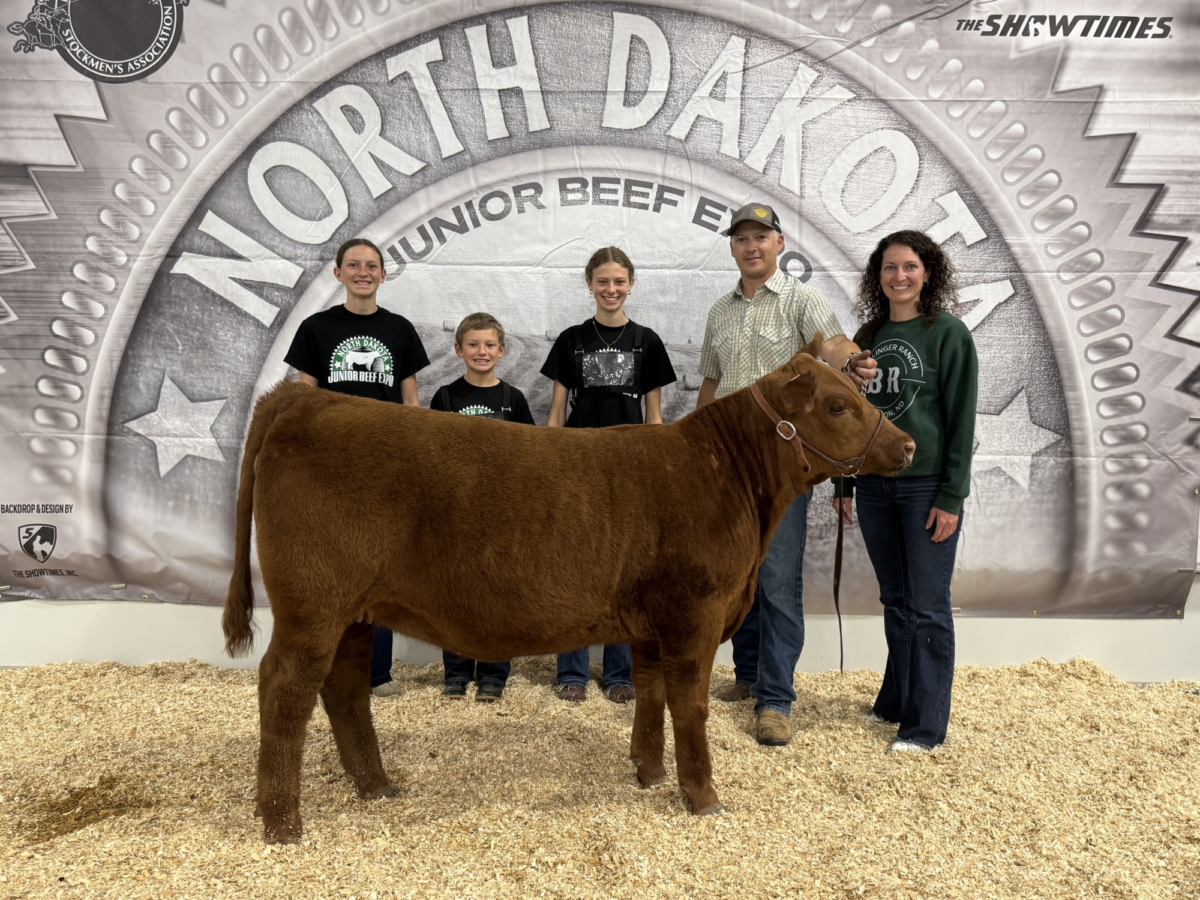
As part of a North Dakota ranching family, we eat a lot of beef, and as a dietitian, I’m happy to have this resource at my fingertips. Like many producers, we eat our own ranch-raised beef, and I have the luxury at home to always have a supply down the hallway in our deep freeze. I’ve spent my adult life witnessing firsthand the vital role beef plays in our daily lives, not just in the day-to-day as producers, or on our plates as consumers, but in our health and well-being.
I also have the viewpoint of being a nutrition expert, graduating from North Dakota State University with a degree in Dietetics. As a Registered Dietitian and consultant to the North Dakota Beef Commission, I appreciate the opportunity to share information with the public that is not only fact-based with researched nutrition information, but also comes from a personal background as a cattle producer. I enjoy sharing the message that beef is a nutrient powerhouse that supports a healthy, active lifestyle.
Nutrient-Rich and Protein-Packed
Beef is a rich source of high-quality protein, providing all nine essential amino acids our bodies need. A simple 3-ounce serving of lean beef delivers about 25 grams of protein, roughly half of the daily recommended intake for adults. This makes beef an excellent choice for building and maintaining muscle, especially as we age or engage in regular physical activity.
But the benefits don’t stop at protein. Beef is packed with 10 essential nutrients, including iron, zinc, B vitamins, and phosphorus. These nutrients support everything from energy production and immune function to brain health and muscle recovery. For instance, iron from beef is highly bioavailable, meaning our bodies can absorb and use it more efficiently compared to other food sources, making it a factor in preventing iron- deficiency anemia.
Here are the 10 essential nutrients found in beef and the unique benefits they offer:
1. Protein – Vital for building and repairing tissues, protein also supports muscle growth and maintenance, making it key for active lifestyles.
2. Iron – Helps carry oxygen in the blood and supports energy levels. The iron in beef is heme iron, which is more easily absorbed by the body than plant-based sources.
3. Zinc – Crucial for immune function, wound healing, and DNA synthesis. Zinc also supports normal growth and development.
4. Vitamin B12 – Supports brain health and nervous system function. It’s also essential for forming red blood cells.
5. Vitamin B6 – Helps your body convert food into energy and supports brain development and immune health.
6. Niacin (Vitamin B3) – Aids in digestion and skin health and plays a role in converting food into usable energy.
7. Riboflavin (Vitamin B2) – Important for energy production and cell function, especially in the skin, eyes, and nervous system.
8. Phosphorus – Helps build strong bones and teeth and is involved in energy storage and usage.
9. Choline – Supports brain development, liver function, and metabolism. It’s especially important during pregnancy.
10. Selenium – Acts as an antioxidant, protecting cells from damage and supporting a healthy immune system.
Lean Cuts for Heart Health
I enjoy being a voice for producers and have several times been given the opportunity to talk about beef facts and help the public stay up to date. For example, in contrast to previous perspectives, lean beef can be part of a heart-healthy diet. Studies have shown that incorporating lean beef into a balanced eating plan can help lower LDL cholesterol (Low-Density Lipoprotein, often referred to as “bad” cholesterol) levels by up to 10%. This is significant, as maintaining healthy cholesterol levels can be key to reducing the risk of heart disease.
Many popular beef cuts, such as sirloin, tenderloin, and round steaks, are naturally lean and lower in fat. For example, a 3-ounce serving of lean beef contains less than 10 grams of total fat. Additionally, about half of the fatty acids in beef are monounsaturated fats, which are considered to be heart-healthy fats.
Sustainable and Efficient Food Source
Raising cattle is an efficient way to produce high-quality protein. Cattle can convert inedible plants, like grass and crop by-products, into nutrient-dense meat. This process, known as upcycling, allows us to make use of resources that would otherwise go to waste, contributing to a more sustainable food system.
Furthermore, recent studies have shown that the environmental impact of beef production is often overestimated. Advances in farming practices have led to more efficient land use, reduced water consumption, and lower greenhouse gas emissions per pound of beef produced.
Supporting Local Economies
In North Dakota, ranching is more than just a livelihood. It’s woven into the heritage and fabric of daily life. It’s a way of life. By choosing beef, consumers support local farmers and ranchers, helping to sustain rural communities and economies. Each steak, roast, or burger purchased represents a connection to the land and the people who care for it. “Supporting your local farmers and ranchers” shouldn’t just be a trend on a t-shirt. It should be a meaningful and lasting commitment to the hardworking individuals who sustain our land and communities for real. These are the people who are dedicated contributors to their local communities. It’s worth remembering as a consumer that the food we enjoy at home has traveled a long path, shaped by the hands and efforts of those who grow, raise, and transport it well before it reaches a grocery store or your doorstep.
Powered By Beef
As part of my role with the North Dakota Beef Commission, I have the opportunity to speak to the public about beef and general nutrition. Powered By Beef is the commission’s program poised to promote beef consumption and nutrition education with a focus on young athletes. North Dakota high schools and colleges have the opportunity to participate in Powered By Beef, which allows me to meet with their students, coaches, athletic booster clubs, and/ or parents to provide general information about the increased nutritional needs of student athletes and how beef can be a great go-to source of protein. It is always rewarding to me to spread this message, as a dietitian, cattle producer, and as a mom.
For many, athletics are a huge part of their family’s day-to-day schedules and a cornerstone of their teenage years. Practices, workout sessions, and games are the primary focus, and provide valuable life lessons about dedication, teamwork, and self- improvement. At times, the physical aspect of these activities often overshadows the message of how developing a healthy relationship with food and understanding the importance of fueling your body impacts not only your performance, but also your life. This is an important lesson for teens and young athletes. The opportunity to remind and inform students, coaches, and parents alike is a responsibility I don’t take lightly. Nutrition and “eating right” are important messages that can set one up for a lifetime of success!
As a ranching family, we take pride in providing a food source that nourishes other families and supports healthy lifestyles. Beef is not just a delicious part of our meals—it’s a nutrient-rich, heart-healthy, and sustainable choice that fits into a balanced diet. So, the next time you sit down to enjoy a beef dish, know that you’re not only savoring a flavorful meal but also fueling your body with essential nutrients that support overall health and well-being.
If you are interested in continuing the conversation, feel free to reach out to discuss this article with me. For more information on the nutritional benefits of beef and how it fits into a healthy diet, visit ndbeef.org.