Posted: Thursday, March 26, 2026
⏱ 8 minutes to read
Author: Jesica Hicks, Broker | Licensed in OR
Ask five people what a "ranch" is, and you'll likely get five different answers. For some, it's a sprawling expanse of open land, cattle grazing in the distance. For others, it might be a cozy plot of land with a few chickens and a barn. The truth is, defining a ranch isn't so straightforward.
Several key elements come into play: the size of the acreage, the improvements made to the land, how the property is used, and whether it generates income or requires hired help. Geography also plays a huge role. What qualifies as a ranch in Eastern states or Southern California might be a far cry from what's considered a ranch in the wide-open West. In some regions, a 20-acre property earns the "ranch" title. Out West, however, ranches typically stretch across hundreds or even thousands of acres.
So, what truly makes a property a ranch? And where do we draw the line between a working ranch and a hobby ranch? Let's break it down.
Elements of a Working Ranch
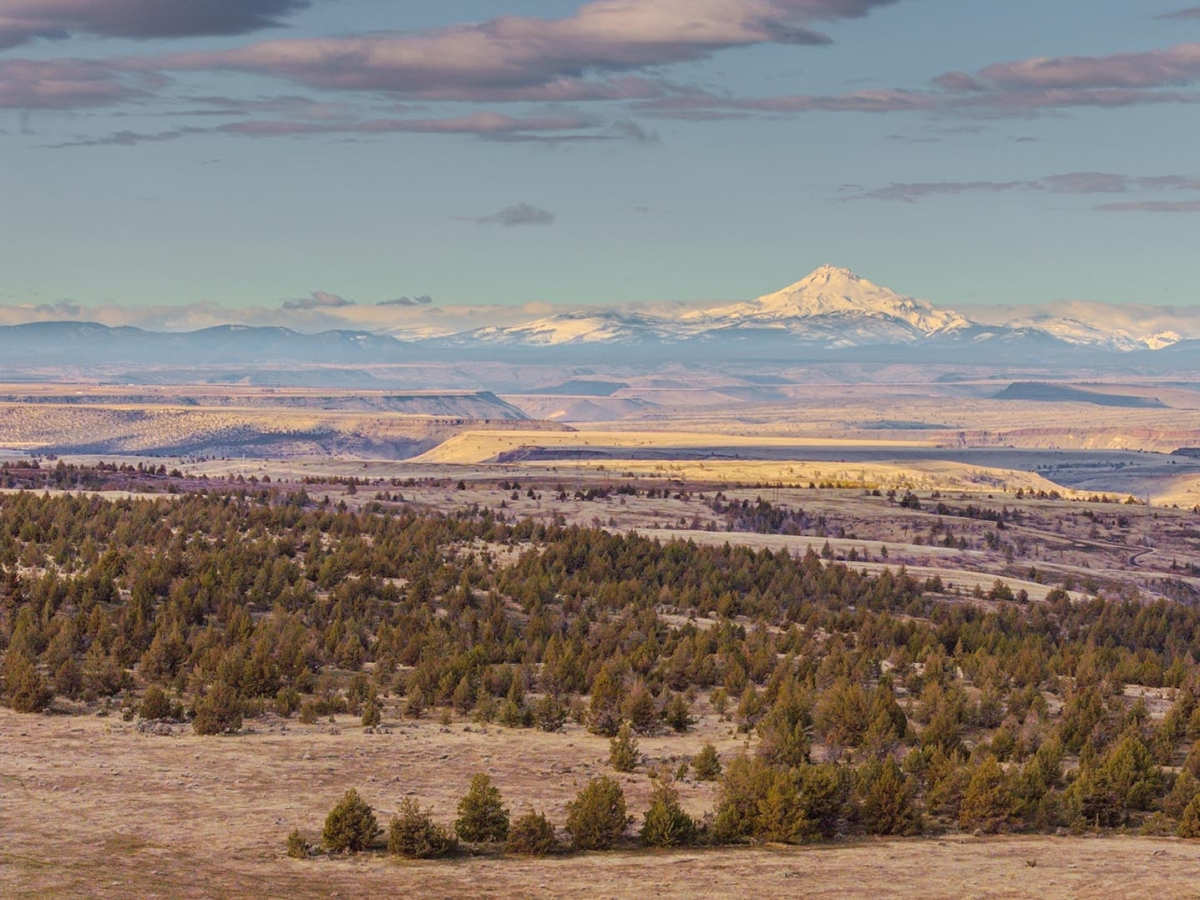
A true working ranch is more than just a large piece of land—it's a full-scale, multi-dimensional operation. These are the ranches that support families, sustain livelihoods, and often span generations. They are businesses, ecosystems, and lifestyles all rolled into one.
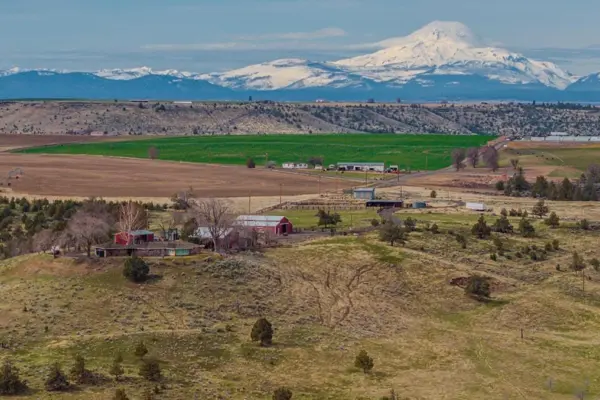
There are several key elements that set working ranches apart from hobby ranches or recreational land. At its core, size matters. These operations typically span hundreds to thousands of acres, depending on geography, land productivity, and operational goals.
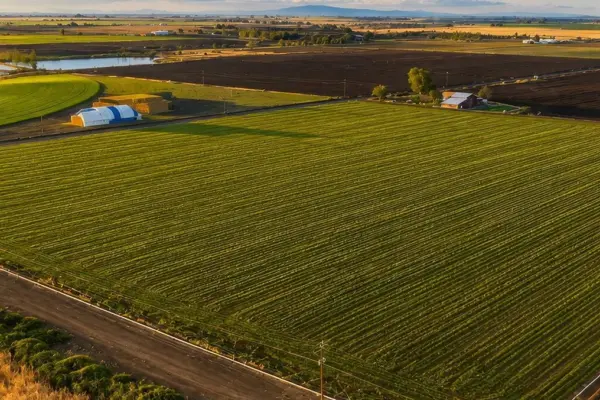
A true working ranch is rarely limited to one function. It's not just about cattle. Multi-use operations are common, and successful ranches often diversify by combining hay production, crop harvesting, livestock grazing, and sometimes recreational income streams such as hunting or fishing leases. This diversification not only stabilizes revenues but also enhances the property's utility year-round.
Profit is the backbone of a working ranch. These are income-generating operations, not lifestyle properties with incidental earnings. Revenue might come from livestock sales, crop yields, leased grazing rights, or other commercial ventures aimed at sustaining the business and supporting those who depend on it.
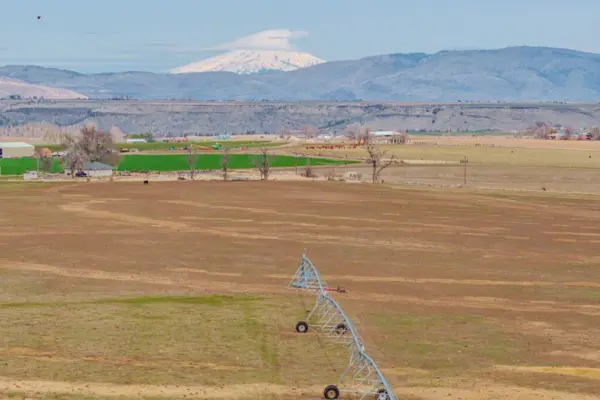
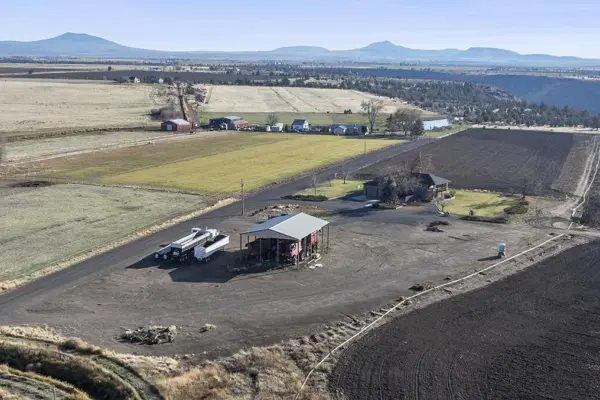
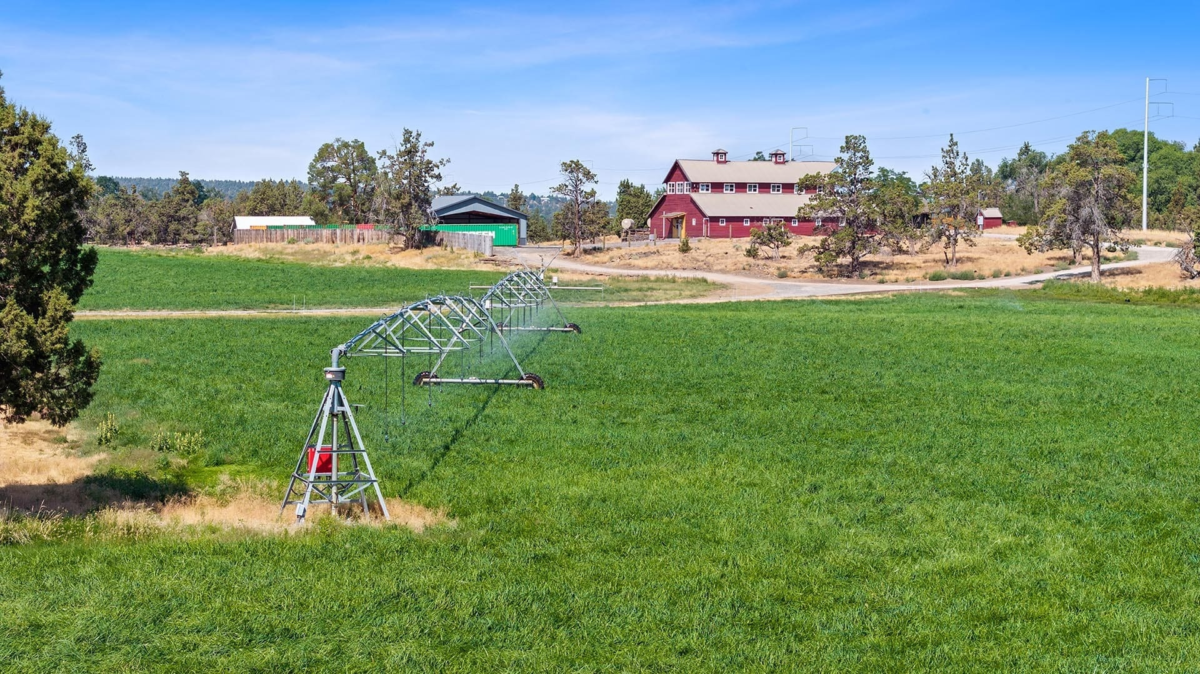
Infrastructure is foundational for a working ranch. Essential buildings typically include barns, shops, hay storage, and equipment sheds. Irrigation systems and fencing play a vital role in maintaining operational efficiency. Many working ranches also feature multiple residences to accommodate family members, ranch managers, or hired hands.
Labor is another defining factor. Depending on the scale of the property, a ranch may require full-time employees to handle the workload, especially during calving, branding, or harvest seasons. Skilled labor ensures that day-to-day operations continue smoothly and that long-term land health is preserved.
Heavy machinery is a part of daily life on a working ranch. Tractors, balers, trailers, and a full suite of equipment are needed to handle everything from feeding livestock to moving hay bales and maintaining roads.
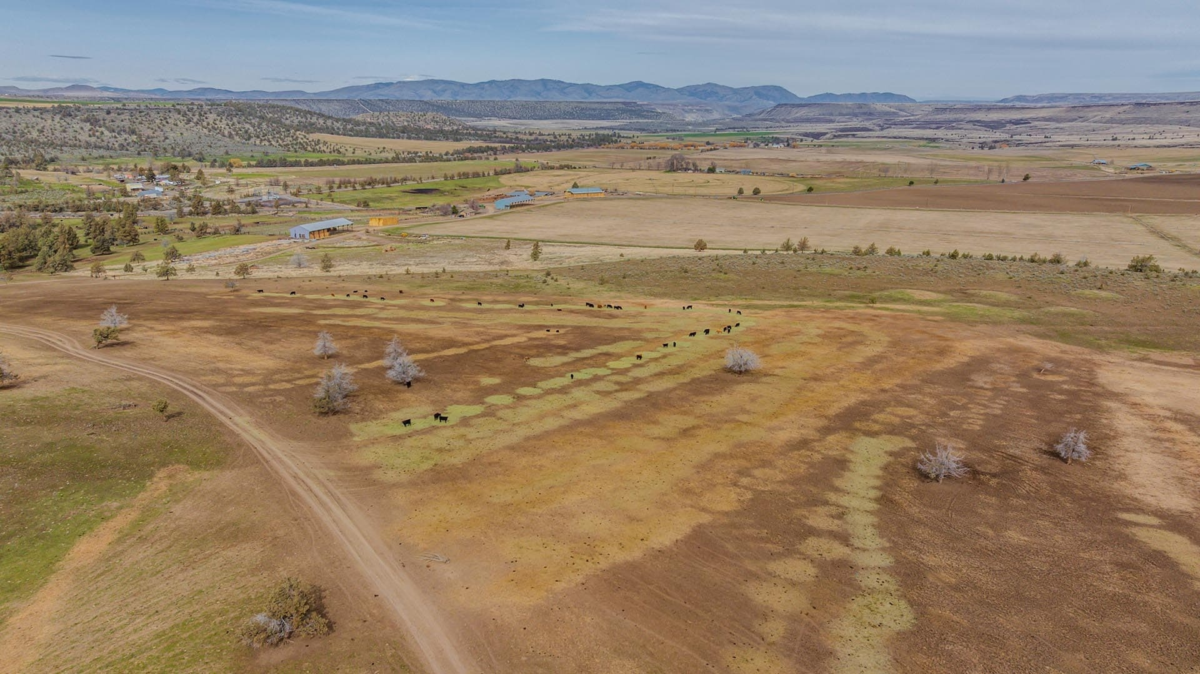
In addition to their privately owned land, some working ranches also have access to grazing allotments on public lands managed by federal agencies such as the Bureau of Land Management (BLM) or the United States Forest Service (USFS). These allotments allow ranchers to graze their livestock on designated parcels of public land in accordance with federal regulations. Grazing allotments are typically secured through permits or leases, which may be attached to the ranch and can add significant value and operational capacity to the property.
Most ranch properties are situated within areas designated as agricultural zoning districts. This type of zoning is specifically intended to preserve open space and maintain the viability of agricultural uses, such as crop production, livestock grazing, and other farming activities. Properties located in agricultural zones often qualify for special tax considerations, such as farm use assessment or agricultural exemption, which can significantly reduce annual property tax burdens. These tax benefits are contingent on the land being actively used for qualifying agricultural purposes and can provide substantial financial incentives for maintaining the land in agricultural production. Zoning restrictions may also limit non-agricultural development, thereby helping to protect the rural character of the area.
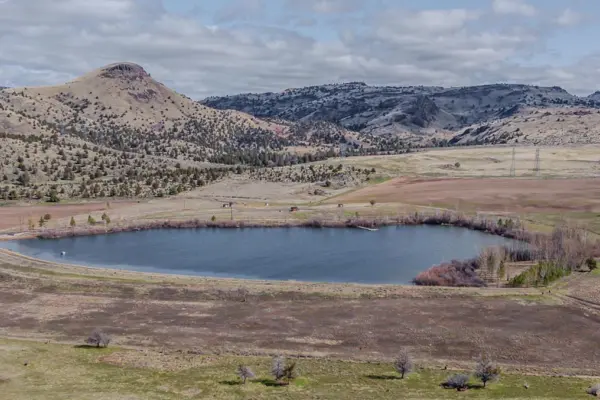
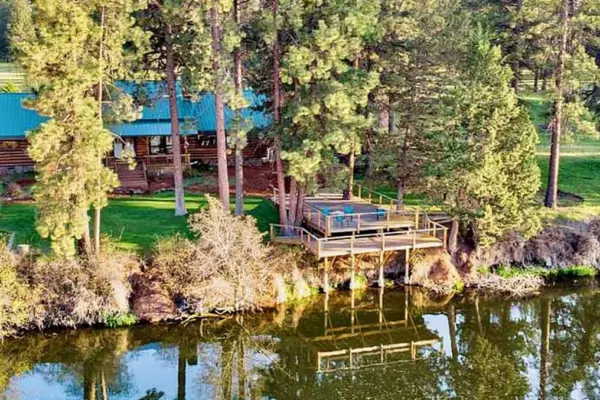
Natural features are more than aesthetic. Access to creeks, ponds, or live water sources is essential for livestock and supports the broader ecological health of the land. In turn, these features often encourage robust wildlife populations, adding biodiversity and, in some cases, recreational value.
At the heart of it all is a lifestyle. Ranching is not for the faint of heart. It suits those who embrace hard work, enjoy rural seclusion, value land stewardship, and are prepared to ride the highs and lows of the commodity market. It's a lifestyle built on grit, grace, and long days with few shortcuts. For many, a working ranch represents a multi-generational family business with a focus on legacy, land conservation, and living close to nature.
Elements of a Hobby Ranch
On the other end of the spectrum lies the hobby ranch. While it shares some similarities with its larger counterpart, like open space, animals, and a connection to the land, the scale and purpose are entirely different. Hobby ranches offer a different kind of rural experience, one that is more rooted in lifestyle than livelihood.
Hobby ranches aren't looking for the large-scale production of a working ranch but rather are driven by self-sufficiency and personal fulfillment. Because of this, they typically encompass smaller acreage, usually 40 acres or less, though some may stretch a bit larger. These properties are designed to be manageable without the need for full-time labor or heavy machinery.
While many hobby ranches produce supplemental income, owners of these properties often maintain an off-property career or other income streams. The ranch itself isn't expected to "pay the bills." A hobby ranch might be used as a weekend retreat, a family homestead, or a personal project that enriches the owner's lifestyle rather than sustaining it financially.
While some livestock might be raised, it's usually for personal consumption, beef for the freezer, a few goats or sheep, or hens for fresh eggs. Crop production, if present, is typically modest and geared toward household consumption rather than commercial sales.
These properties are ideally suited for families with children involved in youth agricultural programs like 4-H and FFA, offering ample space for raising a few farm animals such as goats, pigs, sheep, or poultry. This setup provides children with valuable hands-on experience in caring for livestock, teaching responsibility, work ethic, and practical agricultural skills in a real-life setting. With the opportunity to manage daily animal care right at home, kids can fully engage in their projects and prepare for local fairs, competitions, and exhibitions, all while growing up in a supportive, rural environment that encourages learning and leadership.
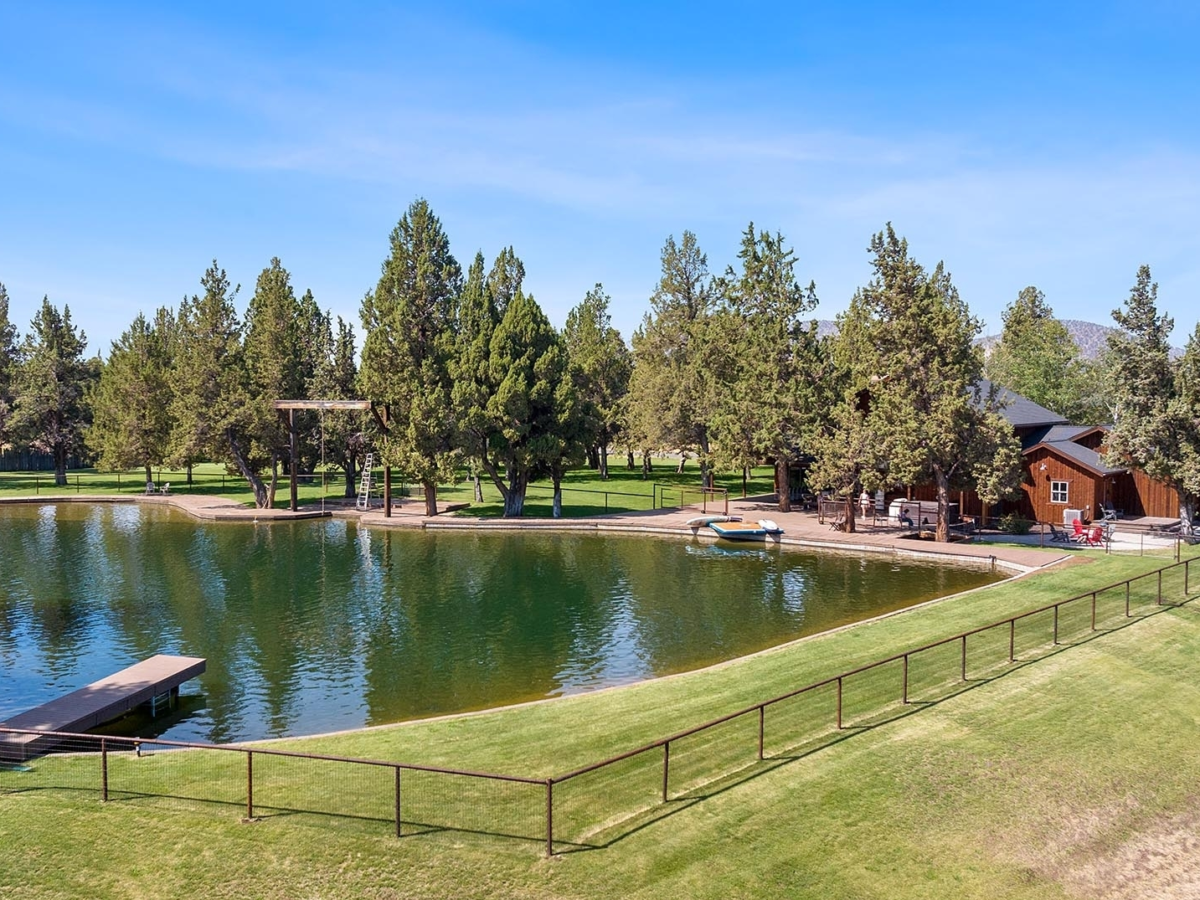
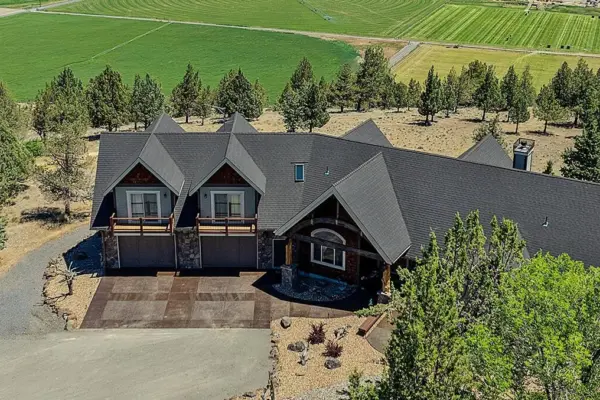
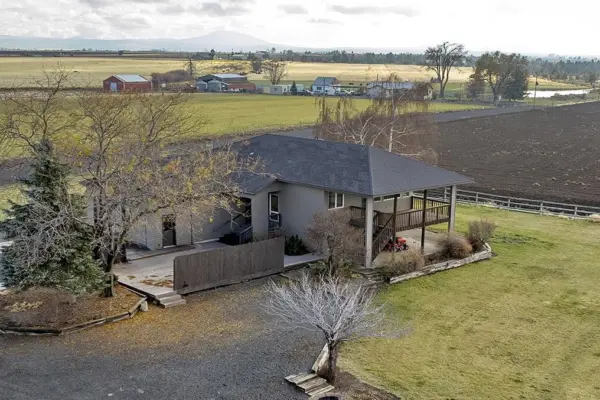
Infrastructure on a hobby ranch is usually minimal. A single residence is common, accompanied by a handful of functional structures such as a small barn, chicken coop, or workshop. These setups are often maintained entirely by the owner, with work scaled to fit around evenings, weekends, and family schedules, making it a manageable endeavor for those seeking balance.
Convenience is another hallmark of hobby ranch living. These properties often strike a balance between peaceful rural surroundings and proximity to nearby towns or amenities, making them attractive to those who want the best of both worlds. For many, owning a hobby ranch is about reconnecting with the land, living intentionally, and having a hands-on educational environment for their family. It's less about production and more about the satisfaction that comes from working the land for one's own benefit and sharing that experience with family and a like-minded community.
While they may not carry the same economic weight as a working ranch, hobby ranches offer a taste of the ranching lifestyle without the overwhelming demands.
Ranching Means Different Things to Different People
At its core, the word "ranch" can mean different things depending on who you ask and where you are. For some, it's a multi-generational business that requires grit, long hours, and a deep connection to the land. For others, it's a personal retreat, a place to keep a few animals, grow a garden, and enjoy a slower pace of life.
The difference between a working ranch and a hobby ranch isn't just about size. It's about purpose. A working ranch is built to sustain a livelihood and often supports entire families through agriculture and livestock production. A hobby ranch, while sharing the love of land and animals, is rooted in lifestyle and personal enjoyment rather than income generation.
Both have their place, and both offer unique rewards. Whether you dream of running a sprawling cattle operation or tending a small patch of land with chickens and a few cows, ranching at any scale connects people back to nature, hard work, and a simpler way of life.
In the end, it's not just about acreage. It's about how you live on it.