Posted: Thursday, April 09, 2026
⏱ 3 minutes to read
Author: Justin Davis, Land Sales Agent | Licensed in CA | CA DRE #02116170
From the fog-draped redwood forests of the North Coast to the sun-dappled oak woodlands and volcanic slopes of the inland mountains, the black-tailed deer is one of Northern California’s most iconic and enchanting wildlife species. Known scientifically as Odocoileus hemionus columbianus, the black-tailed deer is a subspecies of mule deer and is uniquely adapted to the diverse and rugged landscapes of the Pacific coast and interior ranges. Their presence speaks to the resilience of nature and the intricate web of life that thrives in California’s varied ecosystems.
Distinctive Features and Behavior
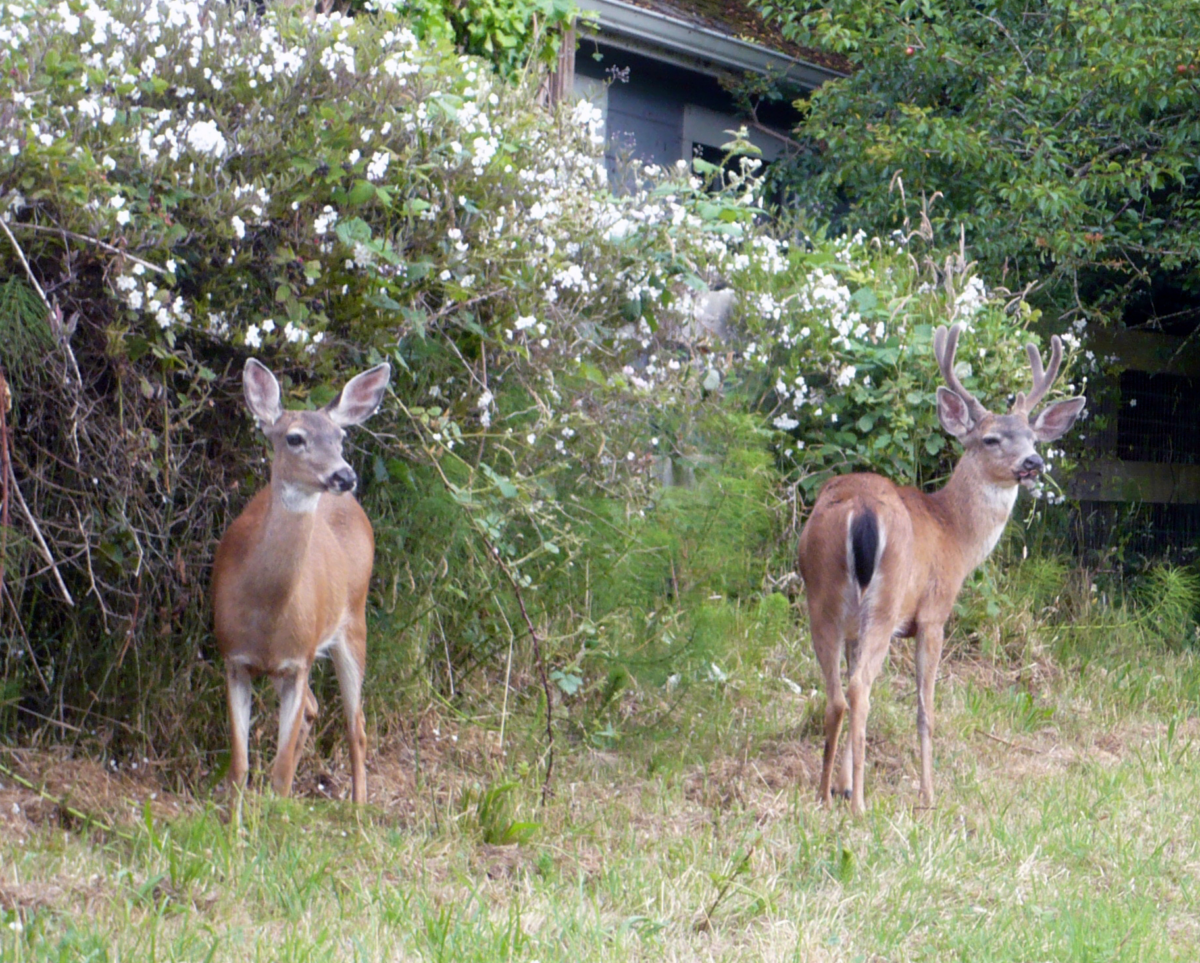
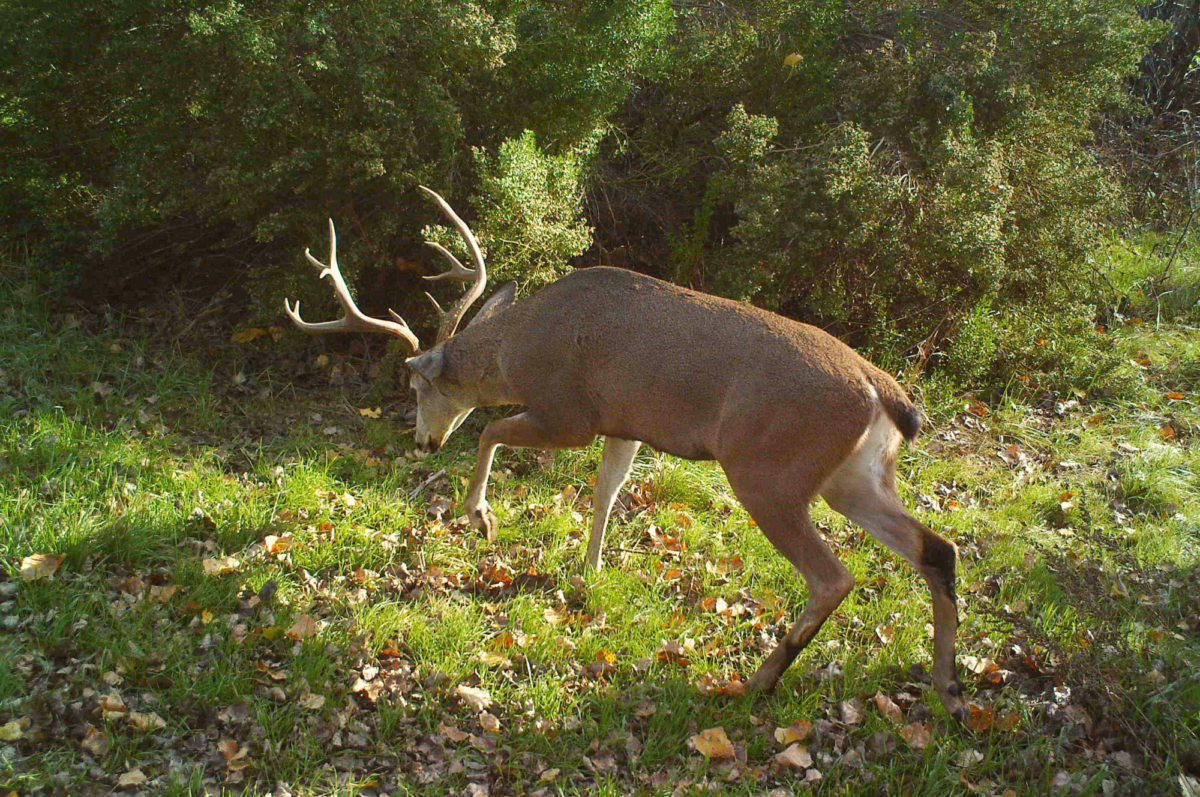
What sets black-tailed deer apart from their relatives across the continent is, first and foremost, their appearance. As their name suggests, they sport a dark, almost black tail with a white underside—unlike the all-white tails of whitetail deer or the thin, rope-like tails of other mule deer subspecies. Their ears are large and mobile, adapted for picking up even the slightest sound, and their bodies are lean and agile, well-suited for navigating steep terrain and dense cover.
Black-tailed deer are crepuscular, meaning they are most active during the low-light hours of dawn and dusk. During these times, they emerge to forage on a diverse diet that includes grasses, acorns, shrubs, berries, and the tender shoots of trees. Their feeding habits not only help sustain them but also play a vital role in seed dispersal and plant growth, making them key players in maintaining the balance of local ecosystems.
A Creature of the Coast—and Inland Wilds
One of the black-tailed deer’s most unique qualities is its specialization for both coastal and forested mountain habitats. In Northern California, they thrive in areas where fog, rainfall, and varied terrain create a lush, year-round food supply. Their range overlaps with towering redwoods, manzanita thickets, oak woodlands, and pine forests, all of which provide shelter, forage, and pathways for movement.
Unlike their cousins in the drier interior regions of the West, black-tailed deer in this part of California are adapted to both temperate coastal climates and more variable inland environments. Their movement patterns may be localized near the coast or more seasonal in mountainous counties. This makes them especially visible and familiar to residents and outdoor enthusiasts in regions like Humboldt, Mendocino, Sonoma, Shasta, Tehama, and Siskiyou counties, where diverse ecosystems provide prime habitat throughout the year.
A Cultural and Ecological Icon
Black-tailed deer hold a significant place in the cultural heritage of Northern California. Indigenous tribes such as the Yurok and Wintu have long relied on these deer for food, clothing, and tools, and they continue to honor the animal in traditional practices and stories. Today, the deer remains a favorite subject for photographers, hikers, and hunters alike, capturing the imagination of all who encounter it.
From an ecological standpoint, black-tailed deer are both a prey species and a keystone browser. Their populations support predators such as mountain lions and bobcats, while their browsing helps shape plant communities. In short, where black-tailed deer go, the health of the land follows.
The Heart of Northern California’s Wilderness
In a region known for its natural beauty and biodiversity, the black-tailed deer stands out as a living emblem of California’s wild spirit. Adaptable yet specific, graceful yet hardy, these deer embody the quiet wonder of the forest and the enduring strength of native wildlife. To see one slipping through the trees at twilight is to witness a creature perfectly at home in one of the most unique environments on Earth.