Posted: Thursday, February 12, 2026
⏱ 8 minutes to read
The Pacific Northwest (PNW) is renowned for its diverse agricultural landscape, ranging from lush valleys to semi-arid regions. Among the most challenging yet vital forms of agriculture in this region is dryland farming—a practice that relies solely on natural precipitation rather than irrigation. With climate change impacting weather patterns and water resources, dryland farming is becoming increasingly significant for sustainable food production. This article examines how dryland farming in the Pacific Northwest has evolved—tracing its roots, analyzing current methods and obstacles, and assessing what lies ahead for this vital agricultural practice.
What is Dryland Farming?
Dryland farming is a method of agriculture that uses no irrigation and relies instead on rainfall. It requires specific strategies for moisture conservation, soil health, and crop selection. It is a widespread practice in regions with less than 20 inches of annual precipitation.
The History of Dryland Farming in the PNW
Dryland farming in the PNW dates back to indigenous agricultural practices and was later adopted and expanded by European settlers in the 19th century. Farmers in regions like eastern Washington, eastern Oregon, and parts of Idaho developed methods to cultivate crops in areas with limited rainfall, often less than 15 inches per year. The introduction of wheat farming, particularly winter wheat, transformed the region into a major grain-producing area. Over time, advancements in soil conservation, crop rotation, and mechanization have helped sustain dryland agriculture despite fluctuating climatic conditions.
Climate and Soil Conditions
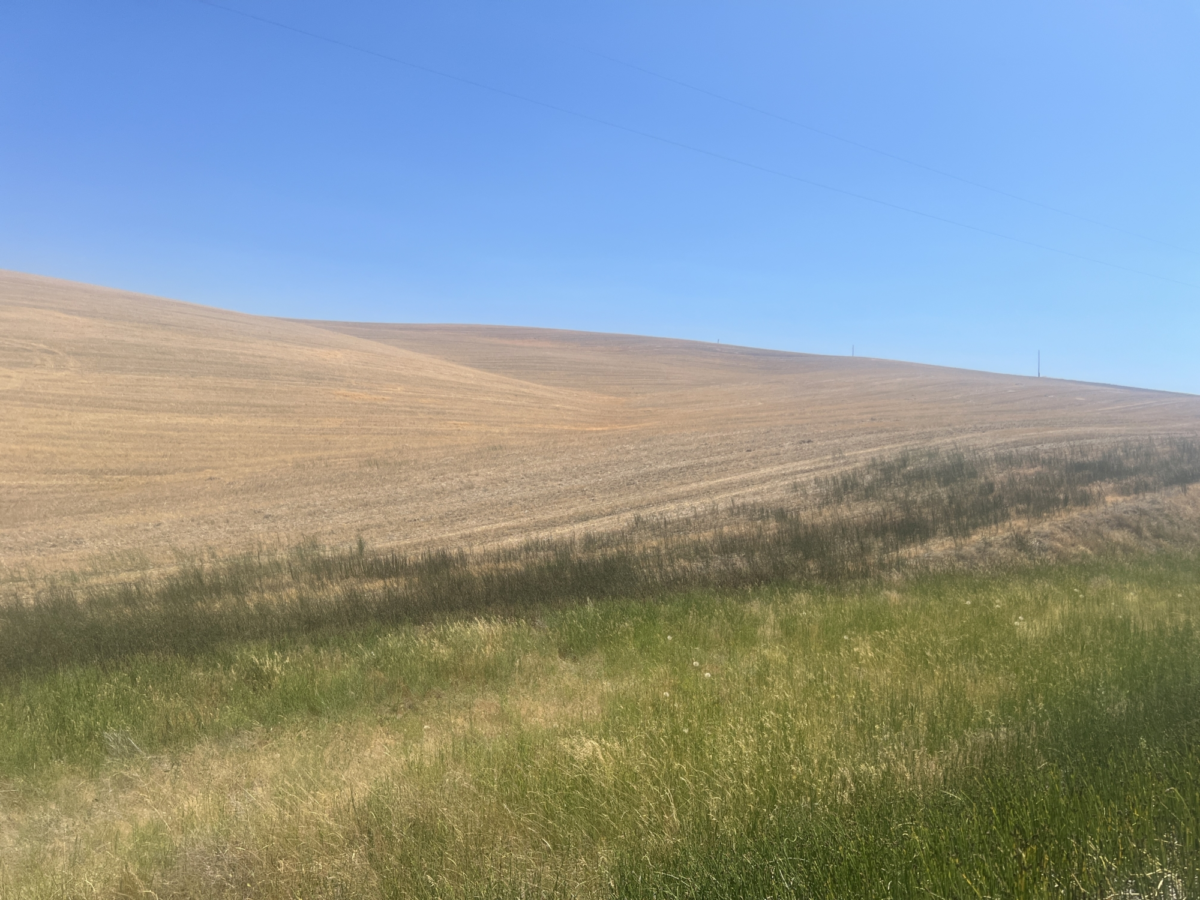
The dryland farming regions of the PNW are often characterized by cold winters, hot summers, and highly variable precipitation. These climatic conditions necessitate careful planning and soil management strategies. The primary soil types in these regions—such as loess soils in the Palouse and volcanic ash-influenced soils in central Oregon—offer moderate fertility but require proper management to prevent erosion and maintain moisture retention.
Soil Health in Dryland Systems
Loess soil, a fine-grained sediment formed by wind deposition, is especially prevalent in the Palouse region of eastern Washington. Loess soil is known for its high fertility and excellent moisture retention. Loess provides an ideal base for dryland crops when managed correctly. Volcanic soil also offers excellent potential. Loess and volcanic soils in dryland regions can be highly productive if appropriately managed. These soils benefit greatly from practices that maintain or enhance organic matter, such as cover cropping and organic matter inputs. These approaches help stabilize soil structure and improve the soil's ability to absorb and retain water—key factors in the success of dryland farming operations across the region.
Key Crops in Dryland Farming
Dryland farmers in the PNW cultivate a variety of crops that are suited for limited water availability. Winter wheat remains a staple, planted in the fall and benefiting from winter precipitation, allowing it to establish roots before the dry summer months. Barley and oats are also widely grown, offering drought tolerance and valuable rotation options for soil health. Canola is increasingly popular due to its benefits for soil structure and its role as an excellent rotation crop. Lentils and chickpeas thrive in semi-arid conditions, contributing to nitrogen fixation and enhancing soil fertility. Many farmers also incorporate forage crops and cover crops to improve soil health and provide feed for livestock.
Dryland Farming Techniques and Strategies
Successful dryland farming requires specialized techniques to maximize soil moisture retention and crop yield. Conservation of tillage minimizes soil disturbance, helping retain moisture and reduce erosion. No-till and reduced-till practices preserve soil structure and organic matter. Crop rotation plays a crucial role in maintaining soil health, breaking pest cycles, and enhancing moisture efficiency.
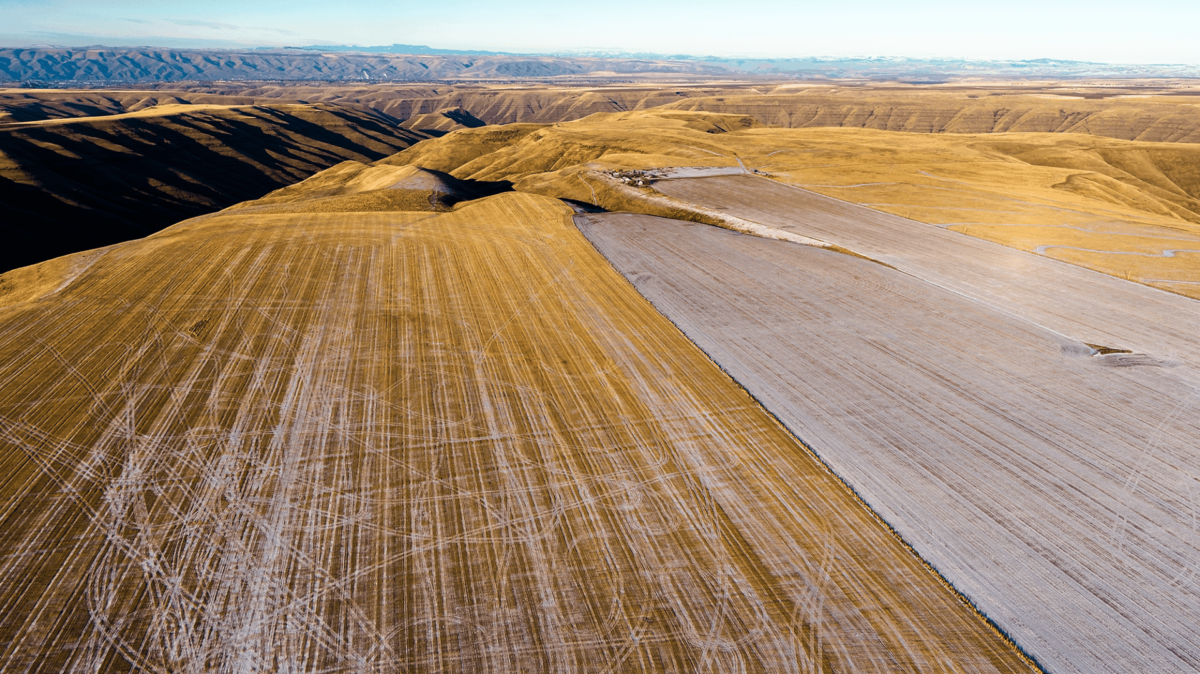
Farming practices in dryland areas are often determined by annual precipitation levels. In regions receiving less than 17 inches of annual rainfall, farmers typically rely on a fallow rotation system. This approach involves leaving fields unplanted for a growing season to allow soil moisture to accumulate for the next crop cycle. Fallow periods are crucial in these low-rainfall zones to ensure enough moisture is available to support crop growth during the dry season. However, this method poses challenges, such as the risk of erosion and weed pressure during the fallow period, making conservation tillage and cover crops essential complementary practices.
Today, the most common approach to managing fallow fields is chemical fallow, or "chem fallow." This method leaves the previous season's crop stubble undisturbed or mowed down on the field to protect against erosion and retain moisture. Weeds are controlled using herbicides instead of mechanical tillage, which helps preserve soil structure and minimizes moisture loss. While chem fallow is efficient and widely adopted, especially in conventional systems, it also raises concerns about herbicide resistance and long-term soil health, prompting ongoing research into integrated alternatives.
Conversely, areas that receive 17 inches or more of annual rainfall are generally capable of supporting annual cropping. In these regions, farmers can plant crops every year without the need for a fallow period. The greater moisture availability allows for more intensive rotations and better overall land use efficiency. This distinction between fallow rotation and annual cropping areas is critical for planning, resource management, and long-term soil sustainability in the PNW's diverse climate zones.
Most organic dryland farms rely on cover cropping as a foundational practice. Species like radishes, mustard, and legumes are commonly planted during fallow periods or between cash crops. These cover crops suppress weeds, improve soil structure, promote microbial diversity, and increase water infiltration. In the absence of synthetic herbicides and fertilizers, cover cropping becomes necessary not just for weed management but also for maintaining nutrient cycles and long-term soil fertility. However, the success of this method depends heavily on careful timing and adequate moisture, which can be unpredictable in dryland environments. Meanwhile, drought-resistant crop varieties developed through research institutions like Washington State University are helping farmers maintain productivity in the face of shifting climatic conditions.
Challenges Facing Dryland Farmers
Dryland farming in the PNW faces significant challenges, the foremost being climate variability. Shifting precipitation patterns and extreme weather events, like droughts and heat waves, threaten crop yields. Soil erosion remains a pressing issue, with wind and water erosion depleting topsoil and reducing productivity. Conservation of tillage and cover cropping help mitigate these effects but require continuous management. Market pressures, including fluctuating commodity prices and international trade policies, can impact the economic viability of dryland crops. Weed and pest management presents another challenge, as limited moisture makes weed competition more intense, necessitating integrated control strategies. Additionally, small and medium-sized farms often struggle to access advanced technology, such as precision agriculture tools and data-driven decision-making platforms, which could enhance efficiency and sustainability.
Economic and Policy Considerations
Economic viability is often the deciding factor in a farm's success or failure. Dryland farmers must navigate narrow margins while managing the uncertainty of weather and commodity markets. Federal and state programs like crop insurance and conservation grants offer some financial buffer, but access to these programs can be uneven. Some growers are calling for more localized policies that account for regional variability in rainfall, soil, and market access.
Meanwhile, certification and premium markets, such as organic or regenerative labeling, offer new revenue paths but require significant investment in documentation and practice shifts. Cooperative models and marketing groups are becoming more important in helping small dryland farmers stay competitive.
The Future of Dryland Farming in the PNW
Several innovations and policy shifts could shape the future of dryland farming in the PNW. Advancements in plant breeding are focused on developing higher-yielding, drought-resistant crop varieties to sustain productivity. Precision agriculture, including remote sensing, soil moisture sensors, and AI-driven analytics, is improving decision-making and resource management. Regenerative agriculture is gaining attention, emphasizing practices like integrating livestock grazing, enhancing biodiversity, and reducing chemical inputs for long-term sustainability. Government and institutional support play a crucial role, with policies promoting soil conservation, research funding, and crop insurance programs helping to sustain dryland farmers. Climate adaptation strategies are also being explored, with farmers experimenting with diversified crop rotations, agroforestry, and carbon sequestration techniques to build resilience against changing climatic conditions.
Community and Education Initiatives a
Knowledge-sharing and community support are vital components of successful dryland farming. Many PNW farmers participate in local grower networks, field days, and conservation districts to exchange strategies and learn about emerging practices.
Extension services from regional universities offer tailored guidance based on soil types, rainfall zones, and crop goals. Online platforms are also gaining popularity, giving farmers access to peer-reviewed research, real-time weather tools, and case studies on adaptive farming techniques.
Education is also playing a more significant role in preparing the next generation of dryland farmers. High school agriculture programs and university-level degrees increasingly include dryland systems, climate science, and regenerative practices in their coursework. Farmers and researchers alike acknowledge that long-term viability will depend not only on tools and inputs but also on building a deeper understanding of how local ecosystems function.
Regional research institutions like the Columbia Basin Agricultural Research Center and the Northwest Sustainable Agroecosystems Research Unit are leading efforts to test new crop varieties and dryland strategies tailored to PNW conditions.
The Path Ahead for Dryland Farming
Dryland farming in the Pacific Northwest is a testament to agricultural resilience and innovation. While it faces significant challenges, advancements in agronomy, technology, and sustainability practices offer promising solutions. By continuing to refine soil management techniques, adopting climate-smart farming methods, and leveraging scientific research, dryland farmers in the PNW can sustain their livelihoods while contributing to global food security. This progress increasingly depends on a deeper understanding and management of the soil's biological system, including microbial health, nutrient cycling, and organic matter dynamics, which are crucial for building long-term soil resilience and productivity.