Posted: Thursday, November 13, 2025
⏱ 6 minutes to read
Author: Robert Martin, Ranch Broker | Licensed in NM, CO
The history of horses in North America is a remarkable tale of evolution, extinction, reintroduction, and contemporary ecological and cultural dilemmas. Horses played a pivotal role in Spanish colonialism and the western expansion into Native American lands by the United States government and eastern settlers. From their prehistoric origins to their reintroduction and eventual overpopulation, horses have always been more than just animals; they are symbols of freedom and heritage.
Horses first evolved in North America over 50 million years ago. The earliest known ancestor of the modern horse was a small, dog-sized creature called Eohippus, or the "dawn horse," which roamed the dense forests of what is now the American West. Over millions of years, evolutionary pressures led to the development of larger and more specialized horse species. These animals were adapted to grassland ecosystems, developing teeth suited for grazing and long limbs for running.
By the late Pleistocene, around 10,000 years ago, North America was home to several species of horses. These animals were part of a rich megafaunal community that included mammoths, mastodons, saber-toothed cats, and giant ground sloths. However, a massive extinction event at the end of the Pleistocene wiped out nearly all large mammals in North America, including horses. While climate shifts likely played a role, a growing body of evidence suggests that overhunting by humans significantly contributed to their demise.
Before their extinction in North America, some horses had already migrated across the Bering land bridge into Eurasia. These populations thrived and eventually became the foundation for domesticated horses. Over thousands of years, horses were bred and used for transportation, agriculture, and warfare throughout Europe, Asia, and parts of Africa. Thus, while horses disappeared from their evolutionary birthplace, they continued to develop and flourish on other continents.
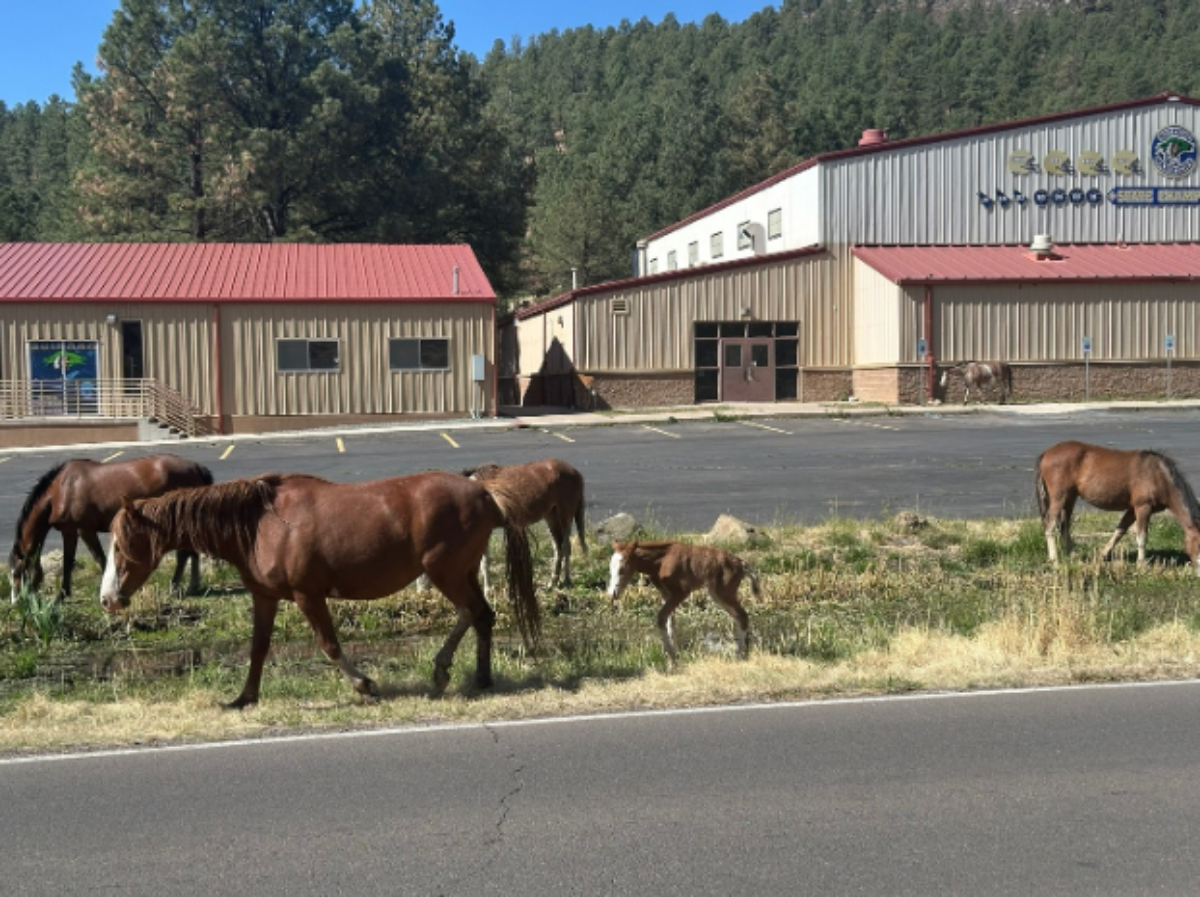
Horses made their dramatic return to North America with the arrival of Spanish explorers in the 16th century. Hernán Cortés brought horses to Mexico in 1519, and within a few decades, they had spread throughout the continent. Escaped or abandoned horses quickly established feral populations that adapted to the American landscape. Native American tribes, particularly those of the Great Plains such as the Comanche, Sioux, and Cheyenne, rapidly integrated horses into their cultures, revolutionizing hunting, travel, and warfare.
These animals, known today as mustangs, became emblematic of the American frontier. Over the next two centuries, feral horse populations expanded rapidly, particularly in the arid and semi-arid regions of the western United States. By the late 18th and early 19th centuries, these populations had reached numbers that alarmed settlers, ranchers, and eventually, conservationists.
While mustangs are celebrated in American folklore, their population growth created real ecological challenges. By the 1800s, feral horses competed with livestock for forage, degraded water sources, and disrupted native plant communities. Ranchers and settlers often viewed them as pests, and efforts to reduce their numbers included roundups, shootings, and sales to slaughterhouses.
The issue of horse overpopulation intensified in the 20th century. Public sentiment began to shift during the 1950s and 1960s, as animal welfare advocates raised concerns about the inhumane treatment of wild horses. This led to the passage of the Wild Free-Roaming Horses and Burros Act in 1971, a landmark law that protected wild horses from capture, branding, harassment, and death. Managed by the Bureau of Land Management (BLM), the Act aimed to preserve wild horse populations while also ensuring the sustainability of public rangelands.
While well-intentioned, protective legislation had unintended consequences. The prohibition against slaughtering horses in the U.S., enacted in the 1970s and 1980s, made it more difficult to manage unwanted domestic horses. As a result, some owners released horses onto public lands, swelling the ranks of wild herds. In addition, with few natural predators and federal protections in place, wild horse populations began to grow exponentially.
Today, it is estimated that there are over 80,000 wild horses on public lands in the western United States, more than triple the number that these ecosystems can sustainably support. The BLM has attempted to address the issue through roundups and adoption programs. Horses are captured using helicopters and transported to holding facilities, where they are offered for adoption to the public. However, these efforts have had limited success. Many horses remain in long-term holding facilities, and the cost of managing these animals continues to rise.
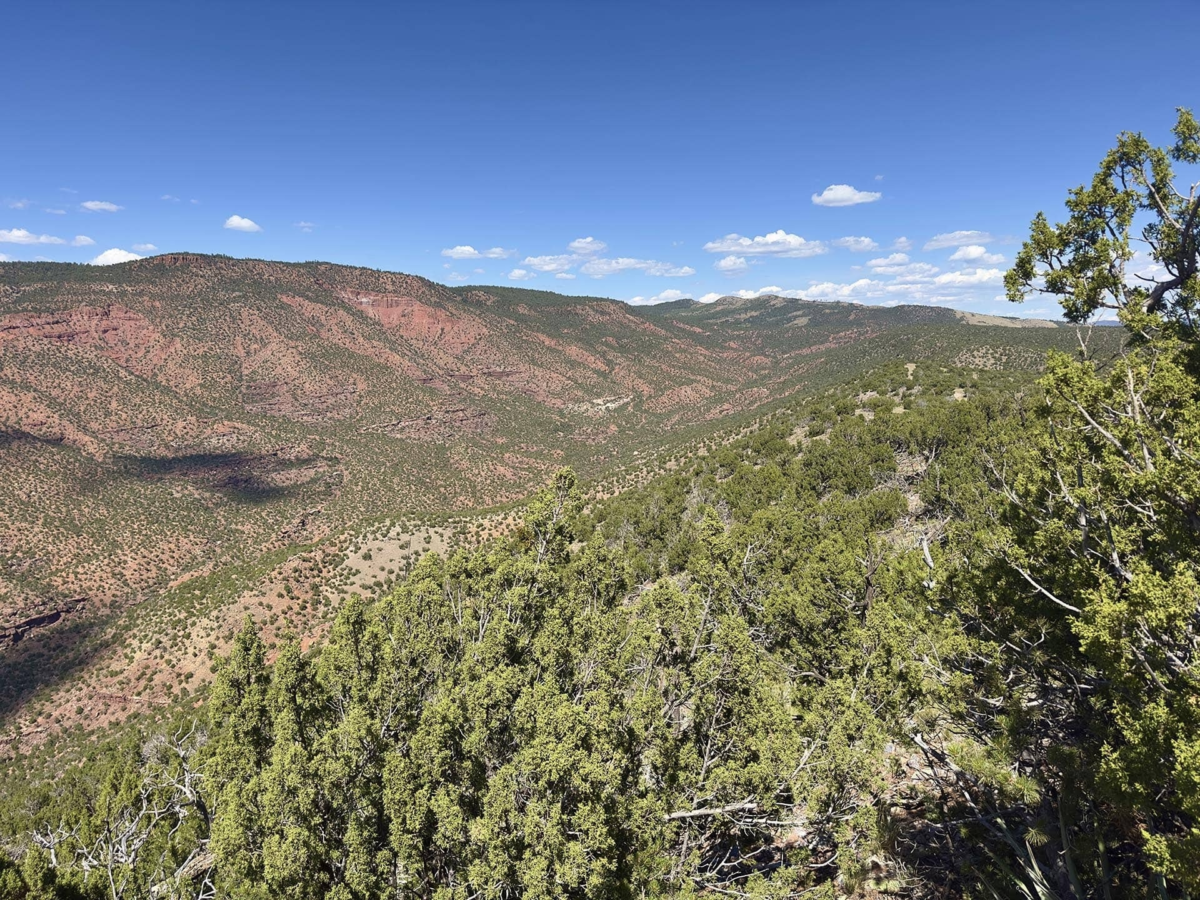
The modern wild horse issue is emblematic of broader conflicts in American land use policy. On one side are horse advocates who view mustangs as a living symbol of American heritage and freedom. They argue that horses have a right to remain on the lands they have roamed for thousands of years. On the other side are environmentalists who point to the damage feral horses inflict on fragile ecosystems and cattle ranchers whose cattle compete for grazing.
Wild horses compete with native species for limited food and water resources. Their hooves can degrade riparian areas, compact soils, and facilitate the spread of invasive plants. Meanwhile, ranchers argue that overpopulated horse herds reduce the available forage for cattle, threatening their livelihoods. This clash of values has made wild horse management a deeply polarizing issue.
Central to the debate is the question of whether wild horses should be considered a native species. From a strictly ecological perspective, modern mustangs are descendants of domesticated European horses and are thus classified as non-native. However, others argue that because horses evolved in North America, their reintroduction represents a rewilding of a species with deep evolutionary ties to the continent.
This perspective shapes public attitudes and, to some extent, policy. If horses are seen as invasive, management may focus on population reduction and habitat restoration. If they are viewed as returning natives, the emphasis may shift toward protection and coexistence. This dual identity as both an ancient North American species and a later reintroduction makes the status of wild horses uniquely complex.
The future of wild horses in North America depends on finding a careful balance between ecological health, cultural values, and practical management. A successful policy may involve solutions that include humane fertility control, designating areas where wild horses are allowed to thrive, and involving local communities in the process.
Public education and transparency in management decisions will also play a critical role in building trust and achieving long-term solutions. Ultimately, the wild horse debate is not just about animals; it reflects broader questions about how we value nature, manage shared resources, and navigate competing interests in a changing world.
As the American West continues to evolve, the story of its wild horses remains a powerful symbol and a reminder of both the continent's deep past and the enduring complexities of conservation in the modern age.